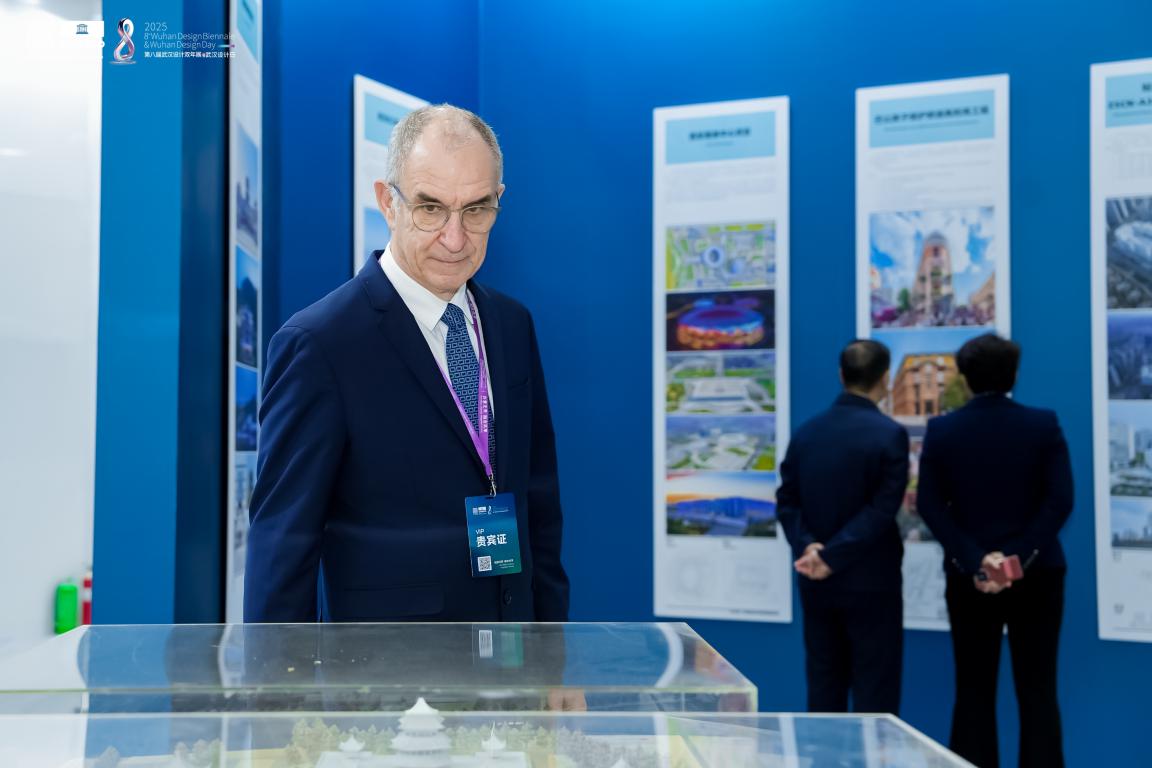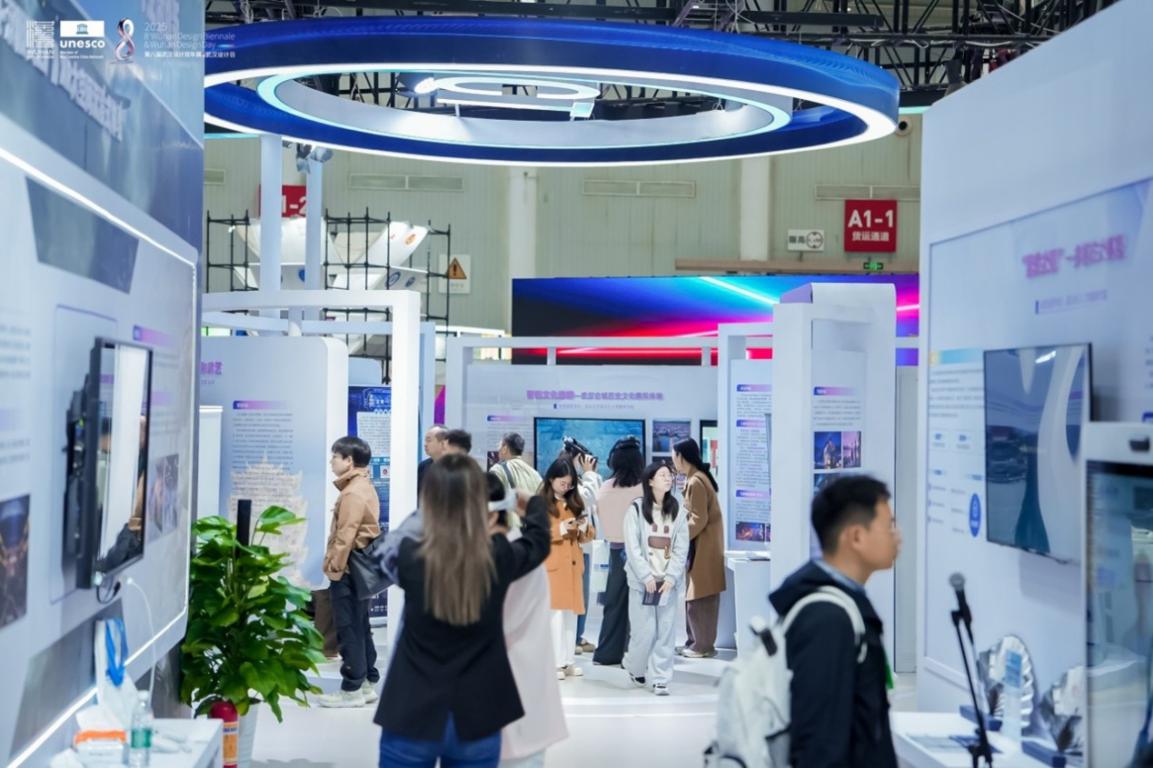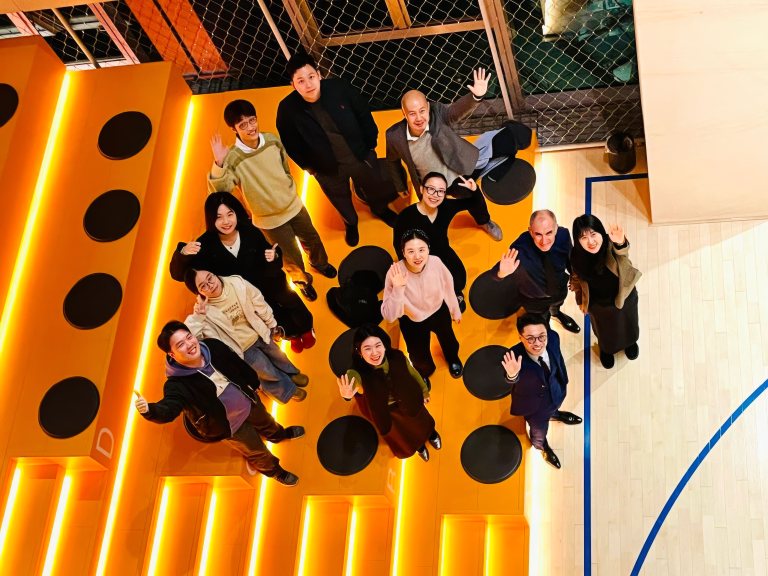




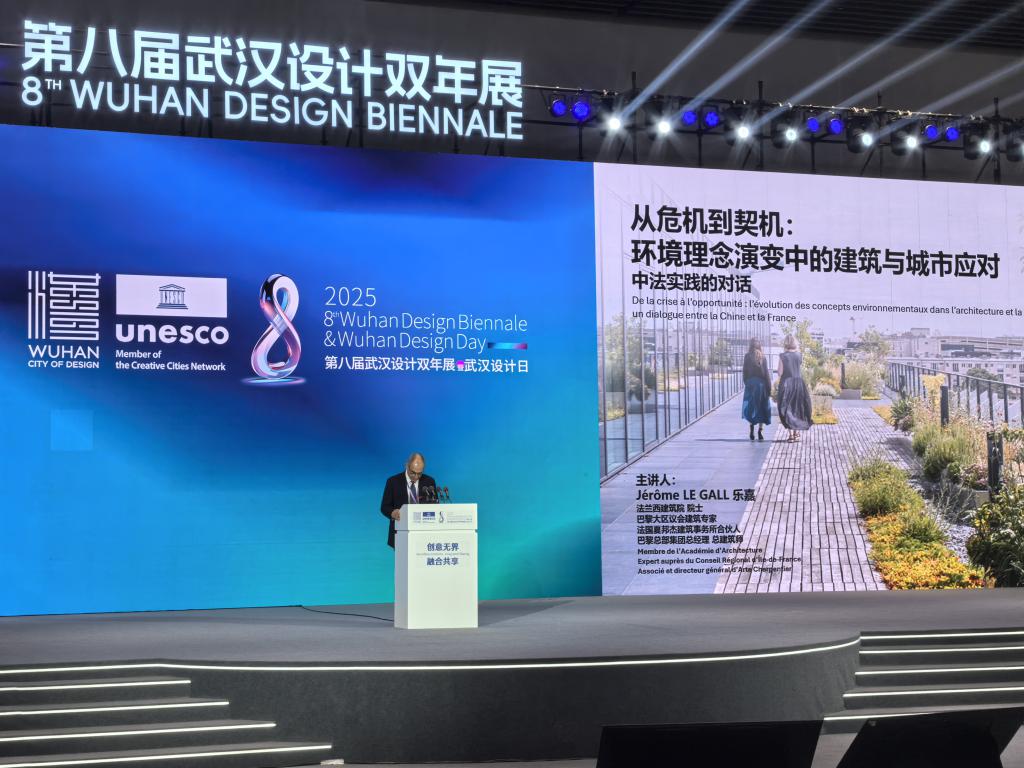
On November 7, Arte Charpentier was invited to participate in the 8th Wuhan Design Biennale. Jérôme Le Gall, academician of the French Academy of Architecture and CEO of Arte Charpentier, gave a speech in which he presented the evolution of French environmental concepts and the carbon life cycle assessment methodology, sharing innovative practices such as positive energy consumption buildings.
On November 7, 2025, the 8th Wuhan Design Biennale opened with great fanfare at the Wuhan International Exhibition Center. Nearly a thousand participants, including renowned academics, experts, scholars, and representatives from creative cities in the global design field, as well as leading companies, institutions, and universities in China’s design industry, gathered to attend this global design event.
Jérôme Le Gall, CEO of Arte Charpentier, delivered an important speech at the opening ceremony, sharing his in-depth insights into sustainable architecture and urban development between China and France.
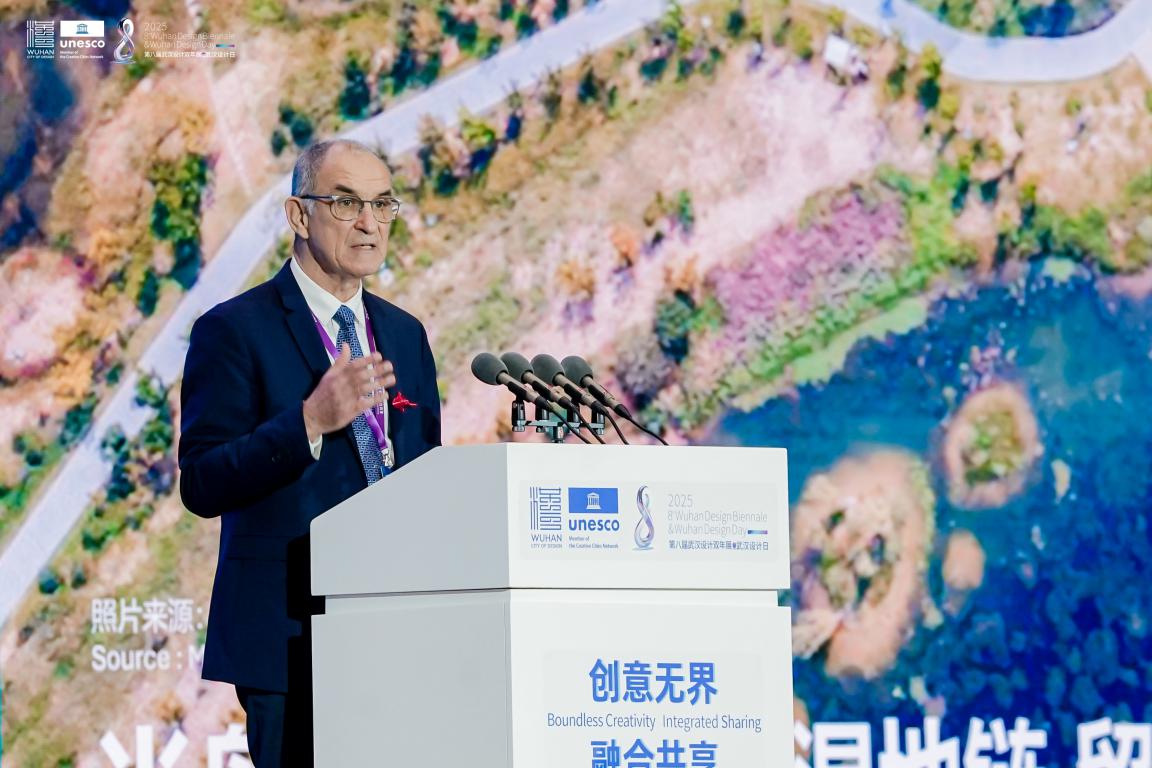
Sharing the Sino-French experience, exploring a sustainable future together
In his speech entitled “From Crisis to Opportunity: Architectural and Urban Responses to Changing Environmental Concepts – A Dialogue on Sino-French Experiences,” Jérôme Le Gall began by addressing the urgency of the environmental situation, emphasizing that urban planning and architecture must become key forces in environmental transformation. He systematically detailed the three stages in the evolution of French environmental concepts: from the initial phase of protective legislation to the technology-focused phase of energy regulations and environmental quality certifications, finally arriving at the current holistic and systemic phase centered on “sobriety, carbon, and resilience.”
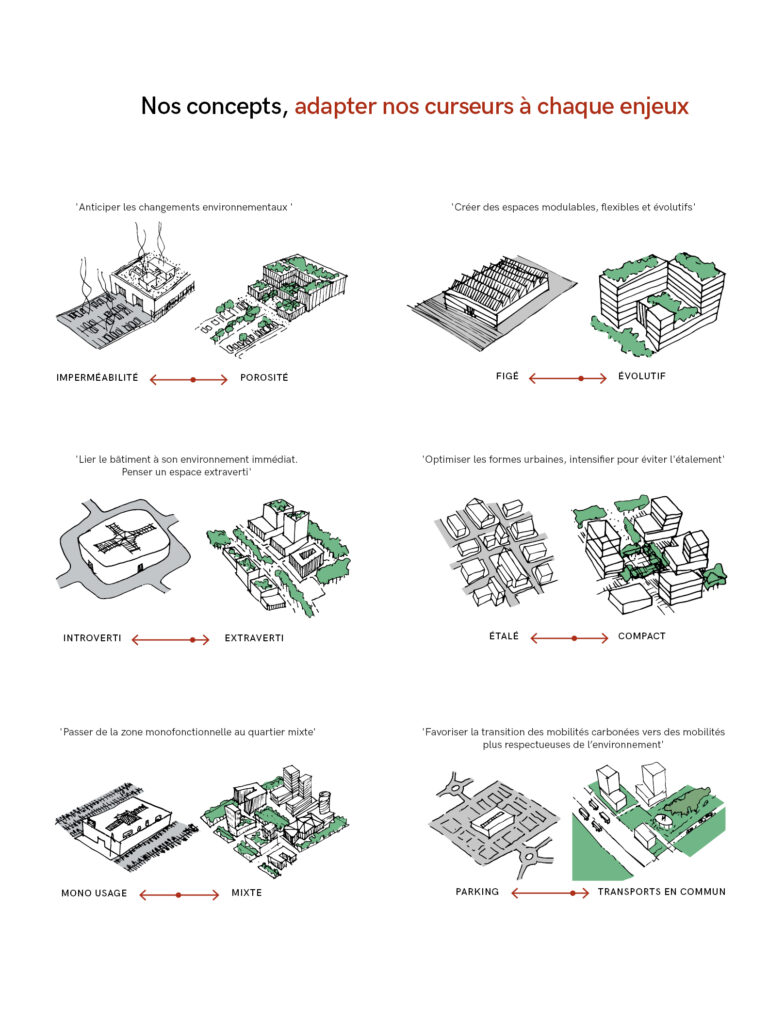
Jérôme Le Gall emphasized that contemporary design is currently undergoing a profound transformation, shifting from “the art of building” to “a vehicle for a sober and resilient lifestyle,” with the main objective being a paradigm shift from “high-consumption buildings” to a “high-productivity, low-carbon footprint built environment.” He detailed the new methodology focused on “carbon life cycle assessment (LCA), demonstrating how innovative strategies—such as controlling urban sprawl, redesigning modes of transportation, prioritizing the use of bio-based and geo-based materials, renovating existing buildings, constructing eco-friendly water infrastructure, and integrating biodiversity—can implement this transformative vision at the spatial level.
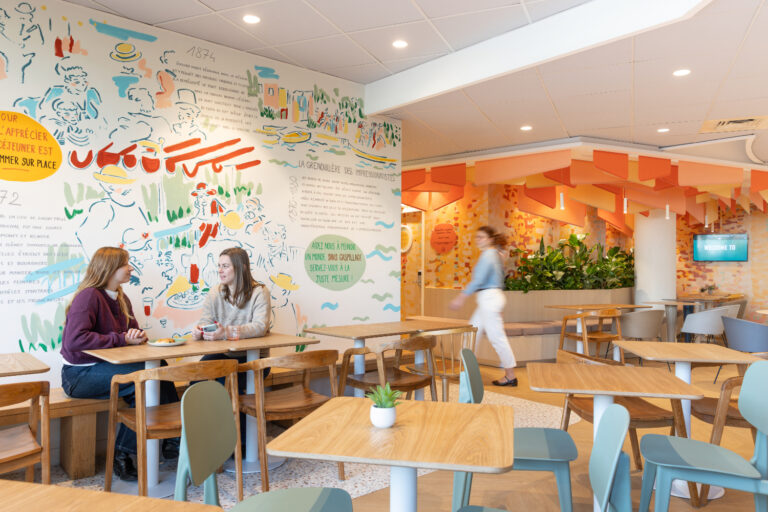
Drawing on Arte Charpentier’s cutting-edge practices, including landmark projects such as the world’s first negative energy consumption residential tower, he vividly illustrated possible ways to deeply integrate environmental objectives into the heart of design. Through a unique Sino-French comparative perspective, he proposed an innovative path that merges China’s “systematic” execution capabilities with France’s “contextual” sophistication. He called on the industry to jointly promote the establishment of a new urban civilization characterized by sobriety, reversibility, and resilience, marking the industry’s transition from simply “applying green technologies” to a new era of “systemic creation coexisting with life and carbon.”
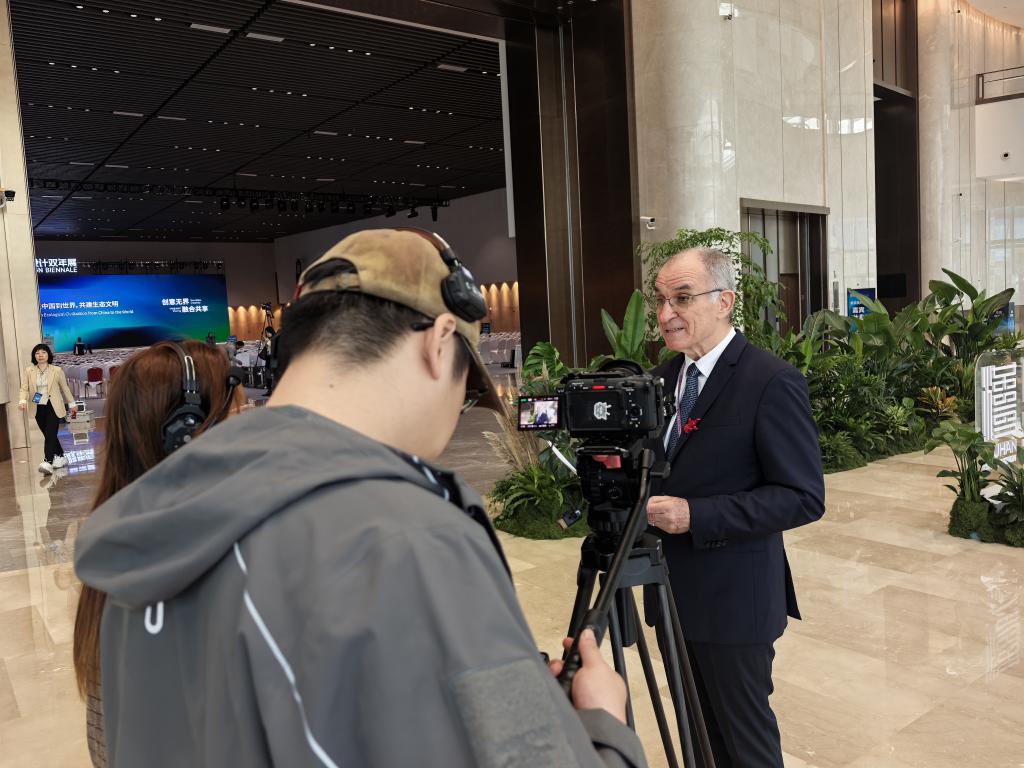
Engaging in international dialogue: highlighting the power of design, connecting diverse cultures
The theme of the Biennale, “Unlimited Creativity • Integration and Sharing,” perfectly matches the open, collaborative, and intercultural design philosophy that Arte Charpentier has long championed. As a major participant in this major event, we were honored to be invited to showcase Arte Charpentier’s innovative concepts and concrete achievements to the global design community.
As part of this exhibition, Arte Charpentier exhibited alongside the world’s leading architects and design masters, engaging in a wonderful intergenerational dialogue on the theme of nature and design. This participation not only demonstrated our accumulated experience in the field of sustainable architecture, but also helped build an important bridge to promote cultural exchanges in design between China and France.
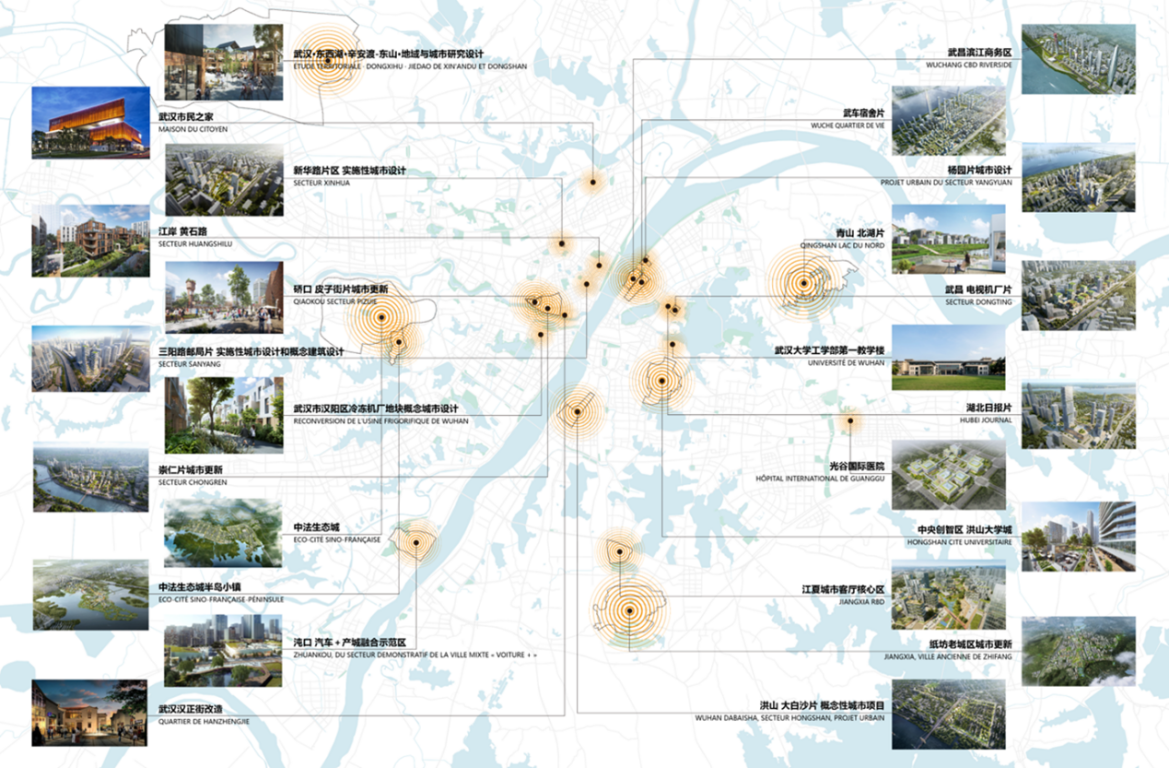
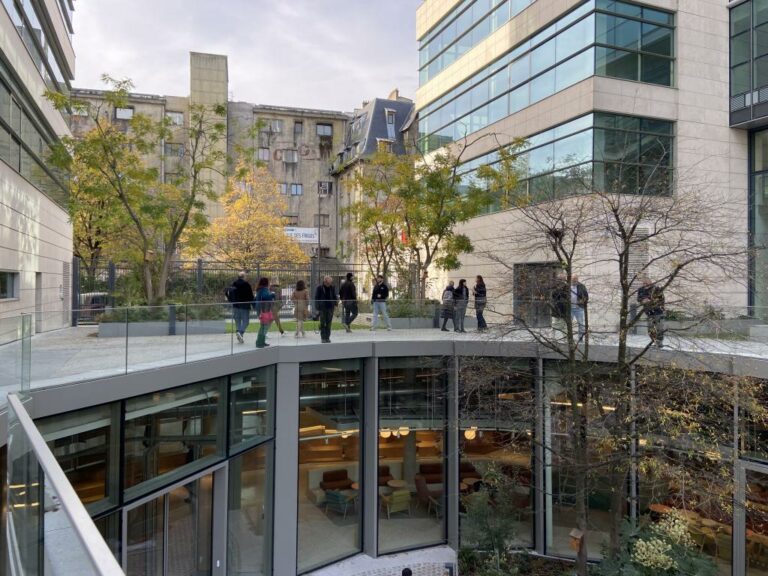
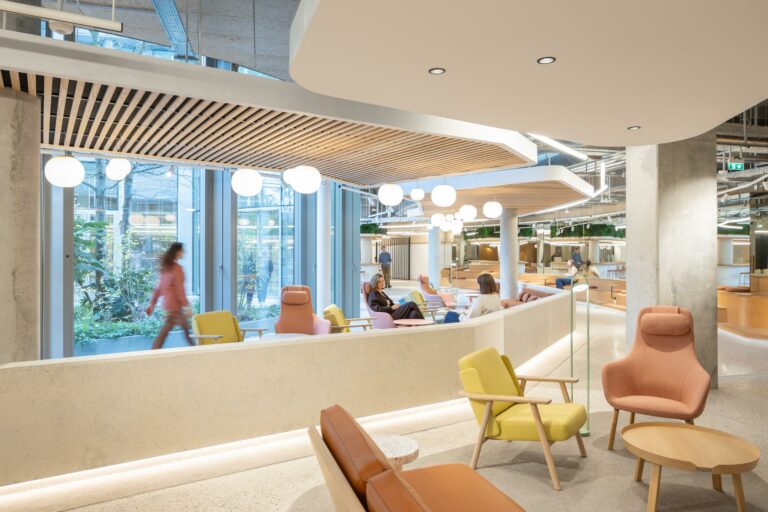
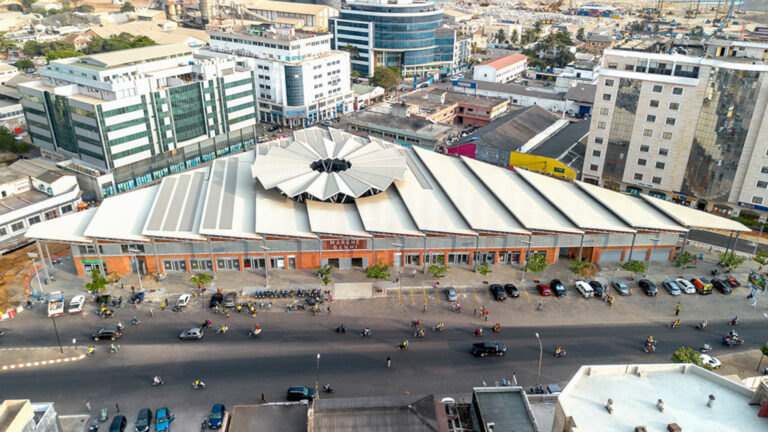
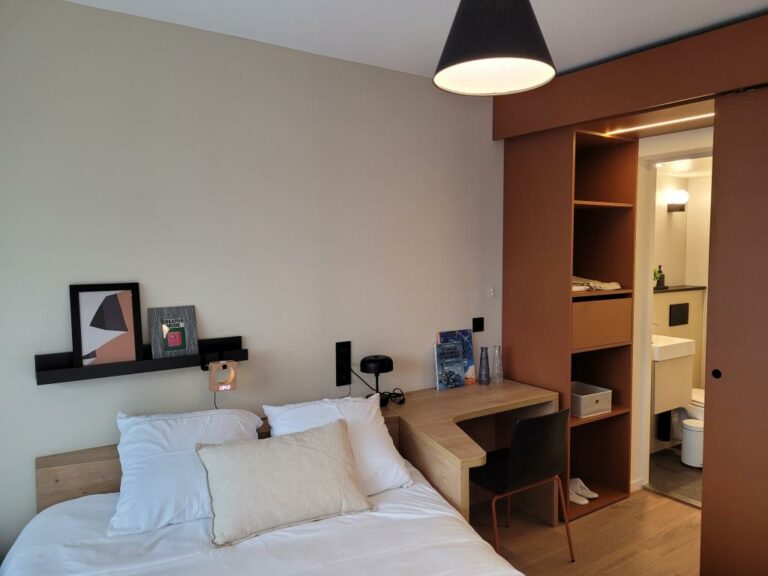
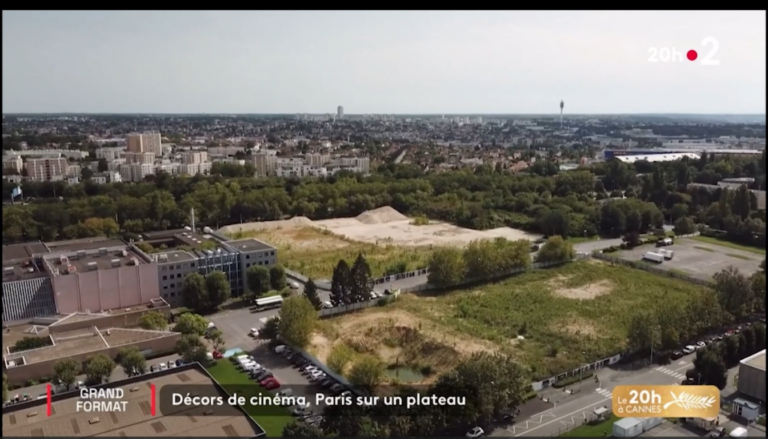
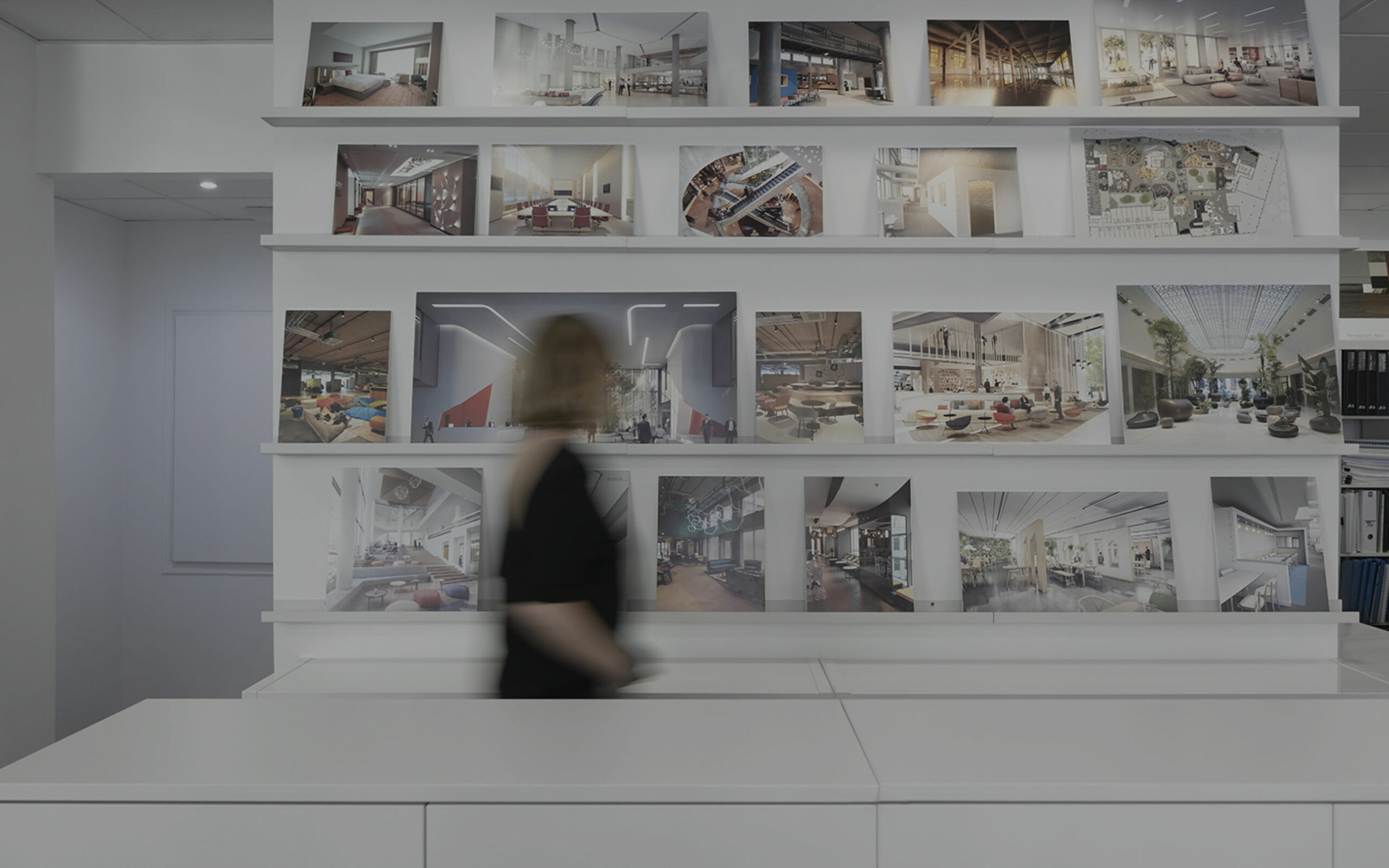
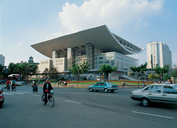
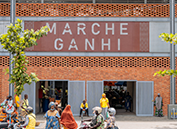
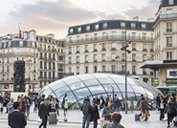
Selection of projects by Arte Charpentier in Wuhan
In-depth participation in seminars: sharing Chinese and French practices in urban regeneration and zero carbon
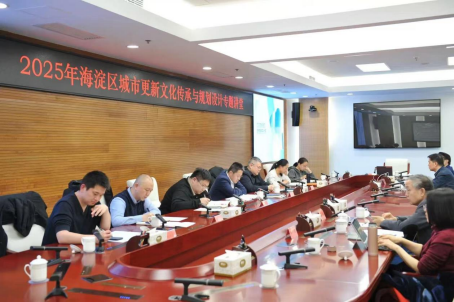
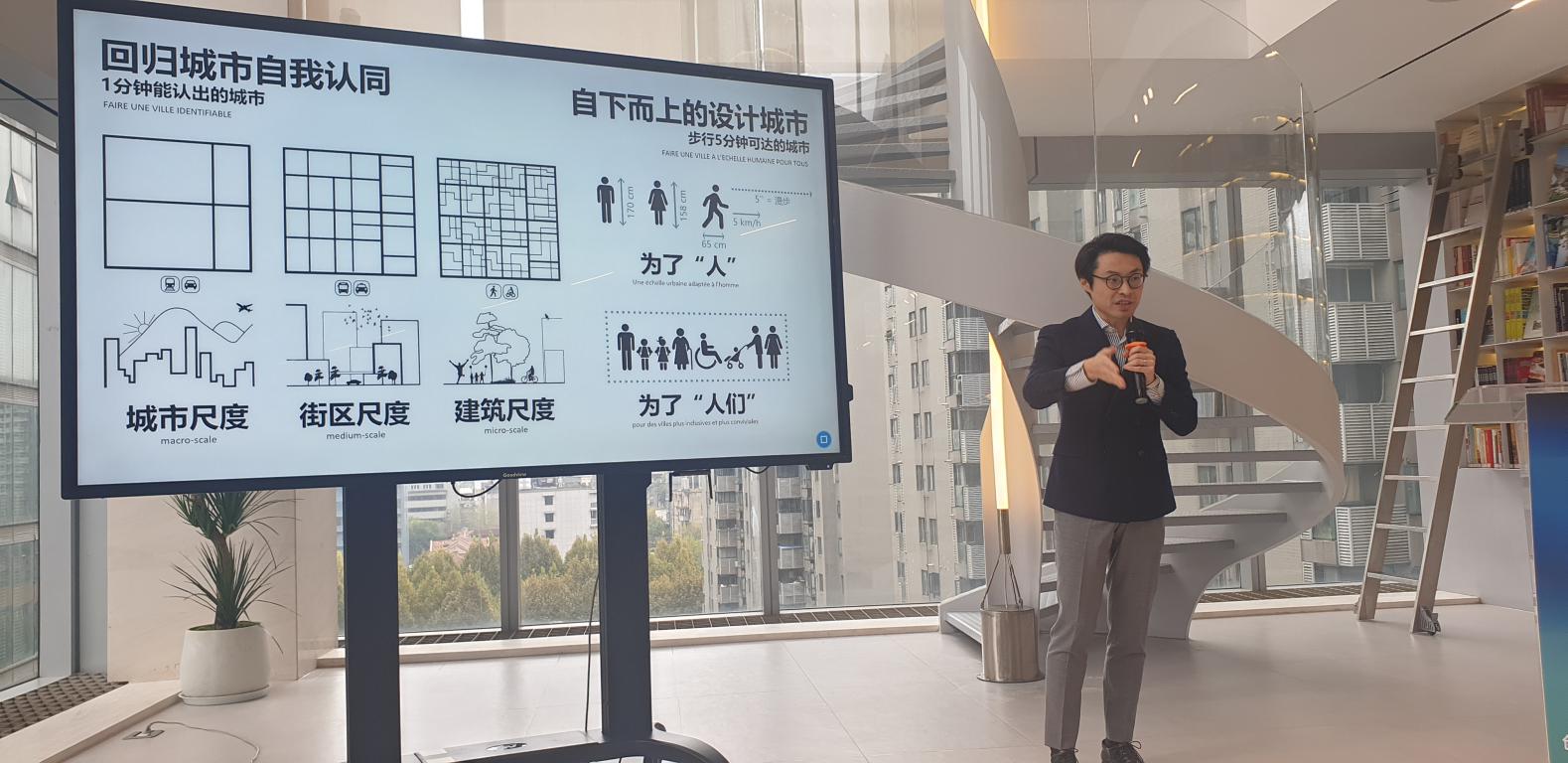
Several forums and seminars were also held during the Biennale. Mingding Pan, Deputy General Manager for China, was invited to participate in the “Seminar on Livable Cities in Asia-Pacific” on November 8 and presented a thematic report entitled “Comprehensive Comparison of Chinese and French Practices: Complex Urban Regeneration and Zero/Negative Carbon Buildings.”
In his report, Mingding Pan systematically analyzed the similarities, differences, and practical experiences of urban regeneration in China and France on three scales: the building, the neighborhood, and the city. He particularly highlighted the latest zero/negative carbon building project carried out by Arte Charpentier in France. His presentation provided technical insights from an international perspective and inspiring practical references for the construction of livable cities in the Asia-Pacific region.
Future prospects: deepening cooperation in China, co-creating urban plans
As a major platform for UNESCO’s Creative Cities Network in the field of design, the Wuhan Design Biennale is a prime venue for exchanges between international creative talents. Arte Charpentier hopes to use this participation as a springboard to further embed itself in China’s dynamic design ecosystem.
In the years to come, we will continue to promote innovation and sustainable design, ensuring that we combine international experience with local expertise. Whether in urban construction, space regeneration, or sustainable development, we will continue to collaborate with our Chinese partners to devise innovative, forward-looking solutions and contribute to the creation of more resilient, pleasant, and deeply human living environments.