



The Citizen's Center
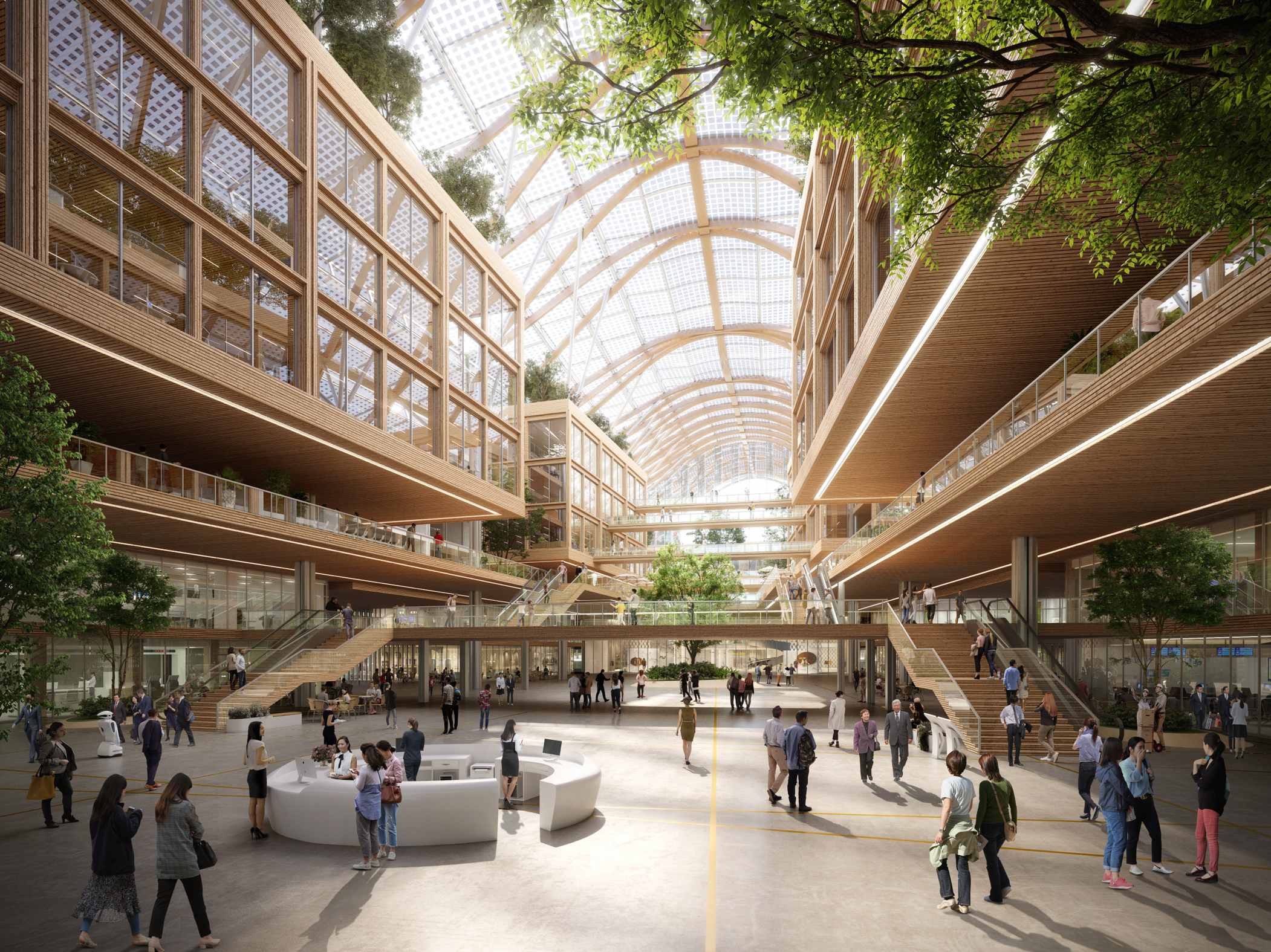
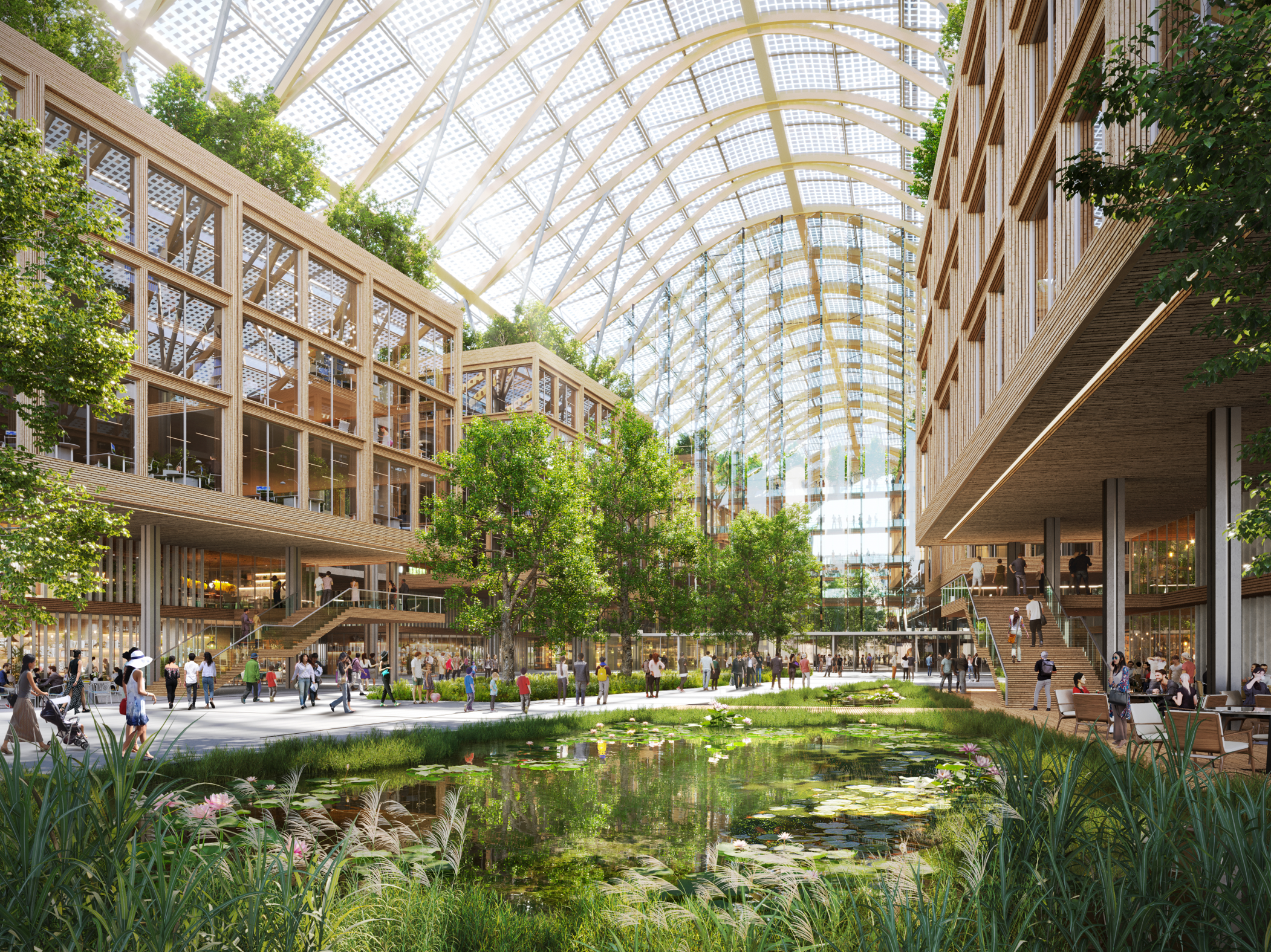
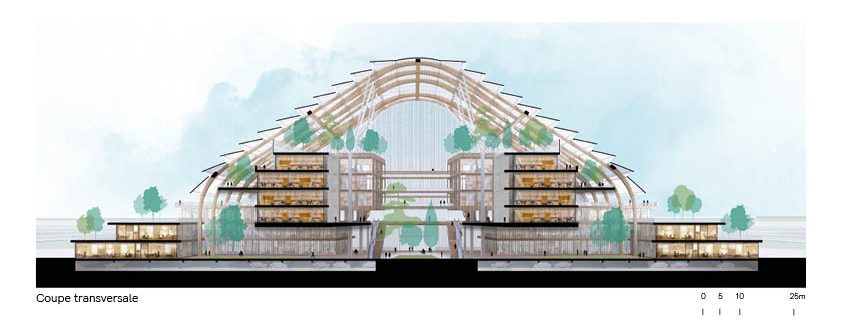
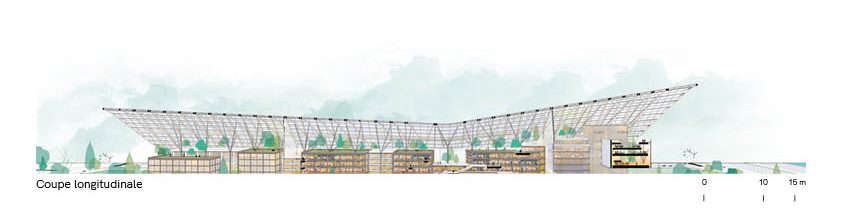
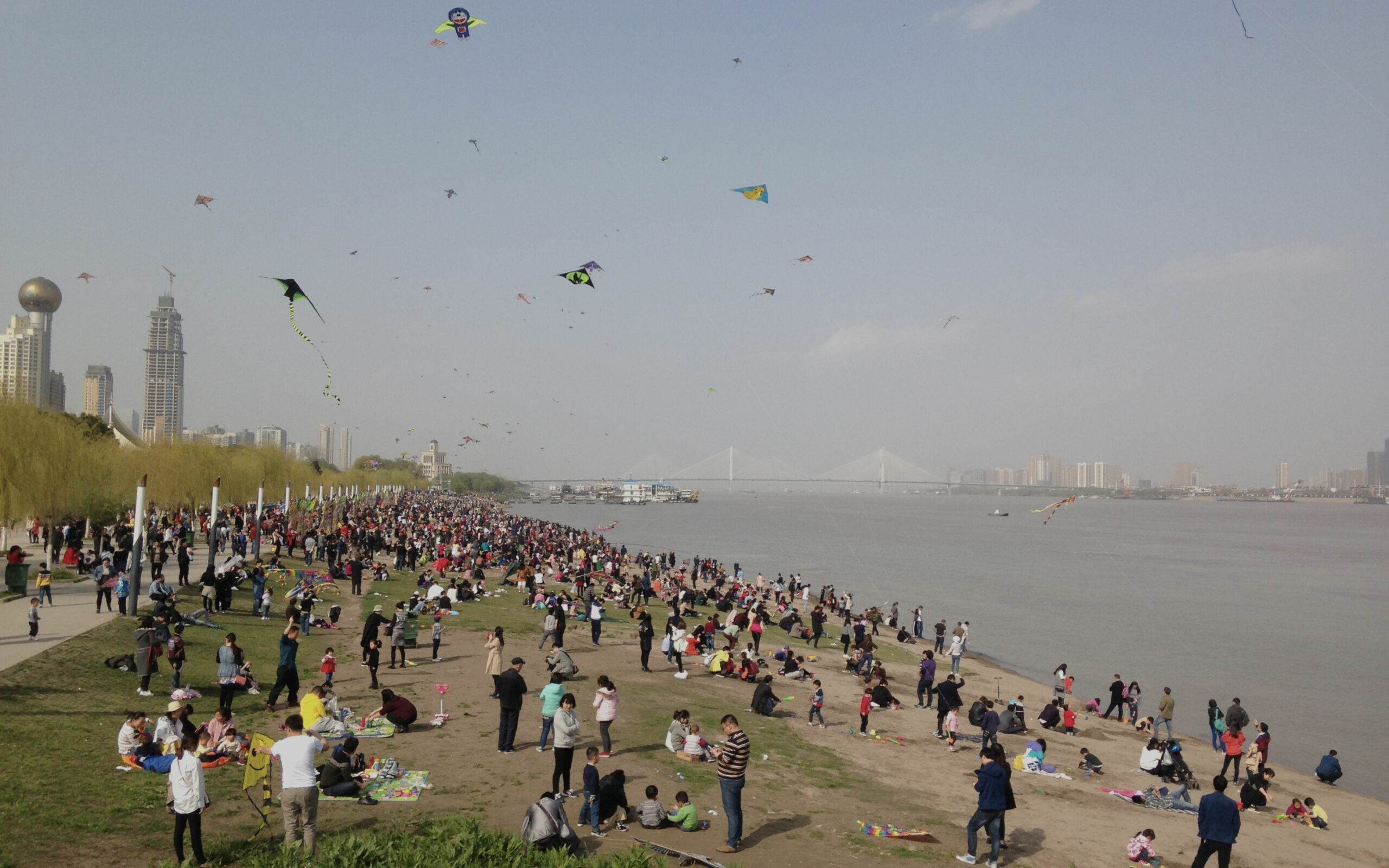
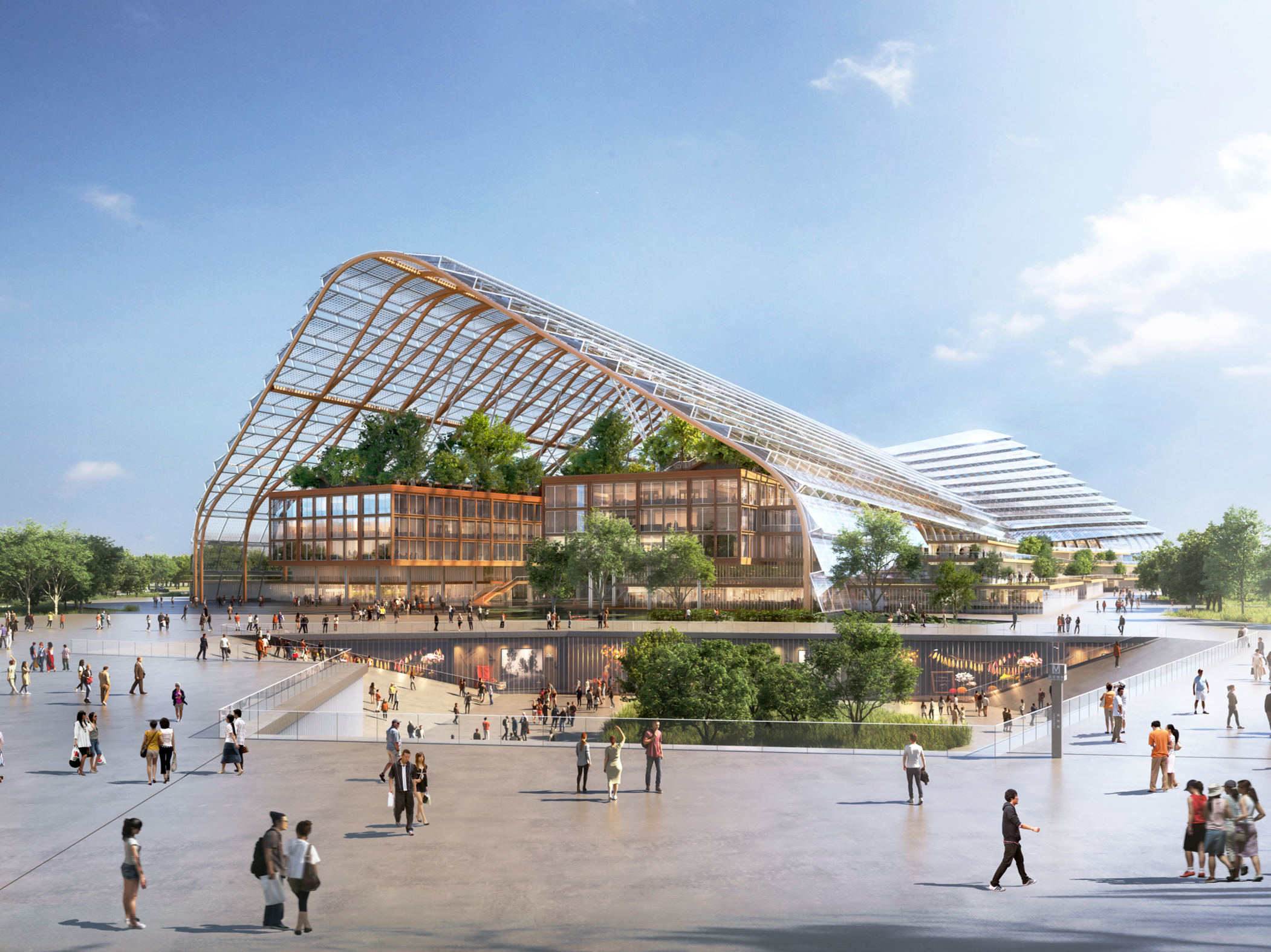
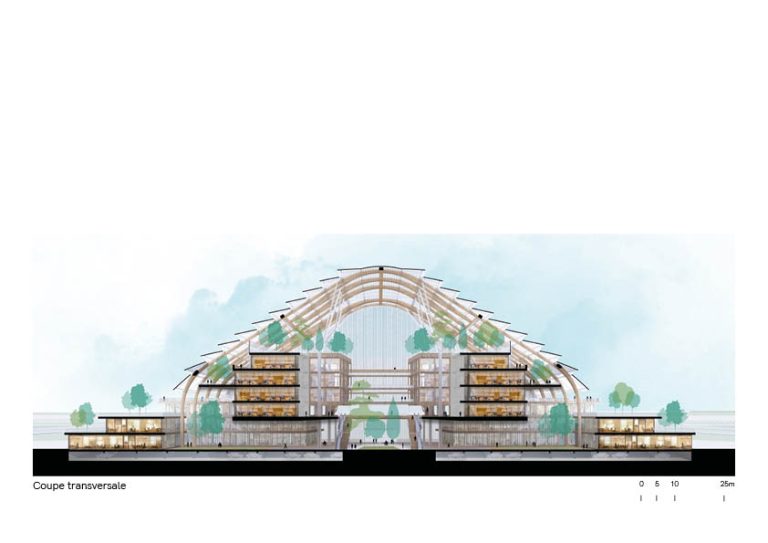
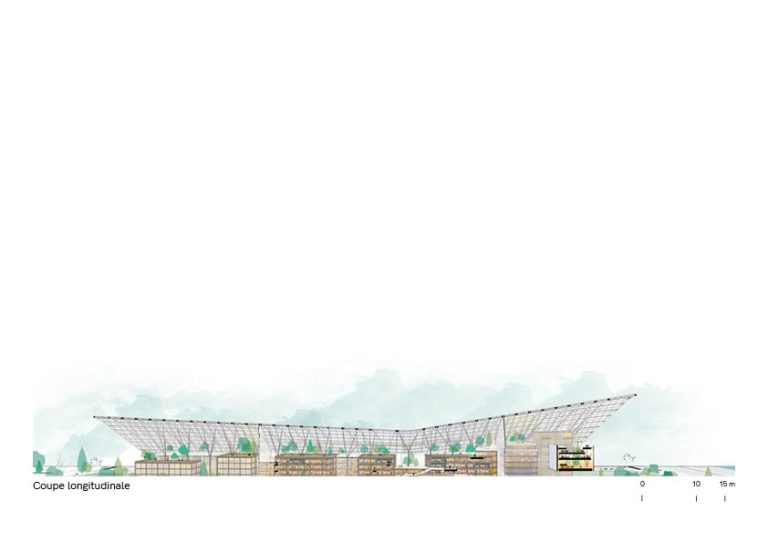
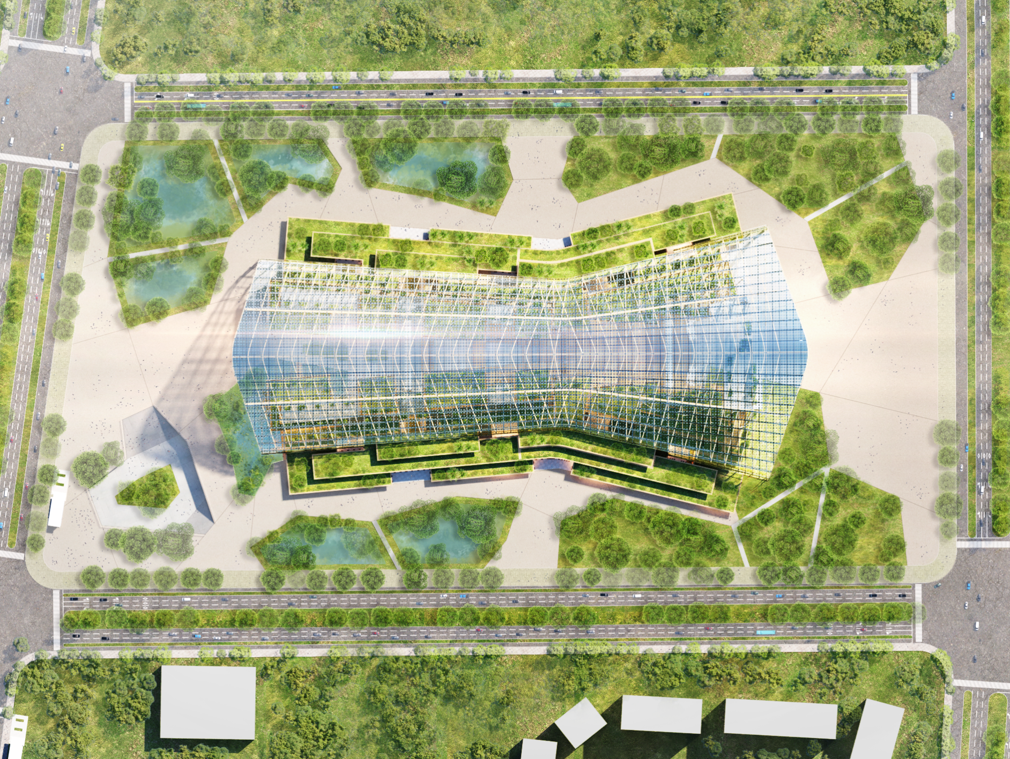
Located between the Yangtze River and existing ponds, the project creates a “sponge city” where landscape, water, and architecture intertwine. Inspired by traditional Wuhan architecture, its wooden structure and bioclimatic features make it a sustainable, open building with a low carbon footprint.
Informations
| Project type | New construction |
| Program | Tertiary |
| Project Management | Wuhan Junshan Intelligence Hub Investment & Development Co., Ltd |
| Missions | Architecture, Landscape |
| Location | Wuhan, Chine |
| Delivery | 2023 |
| Area | 186 896 ㎡ |
| Contest | 2023 |
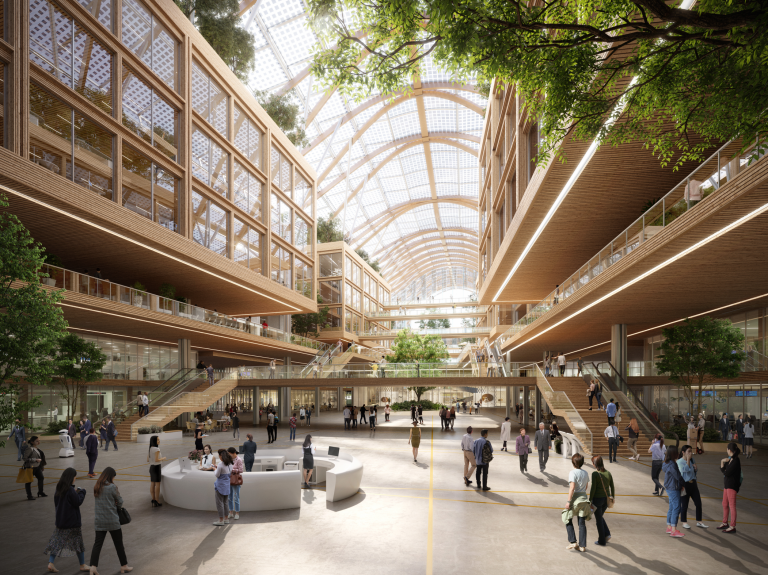
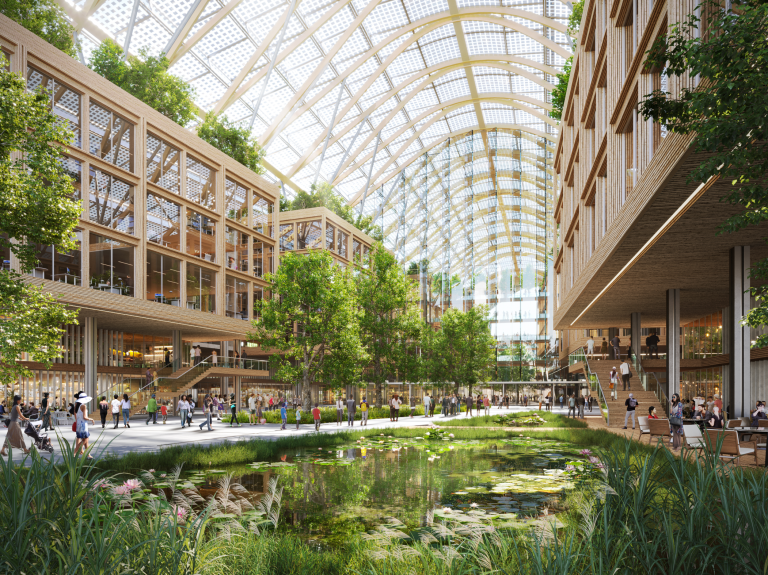
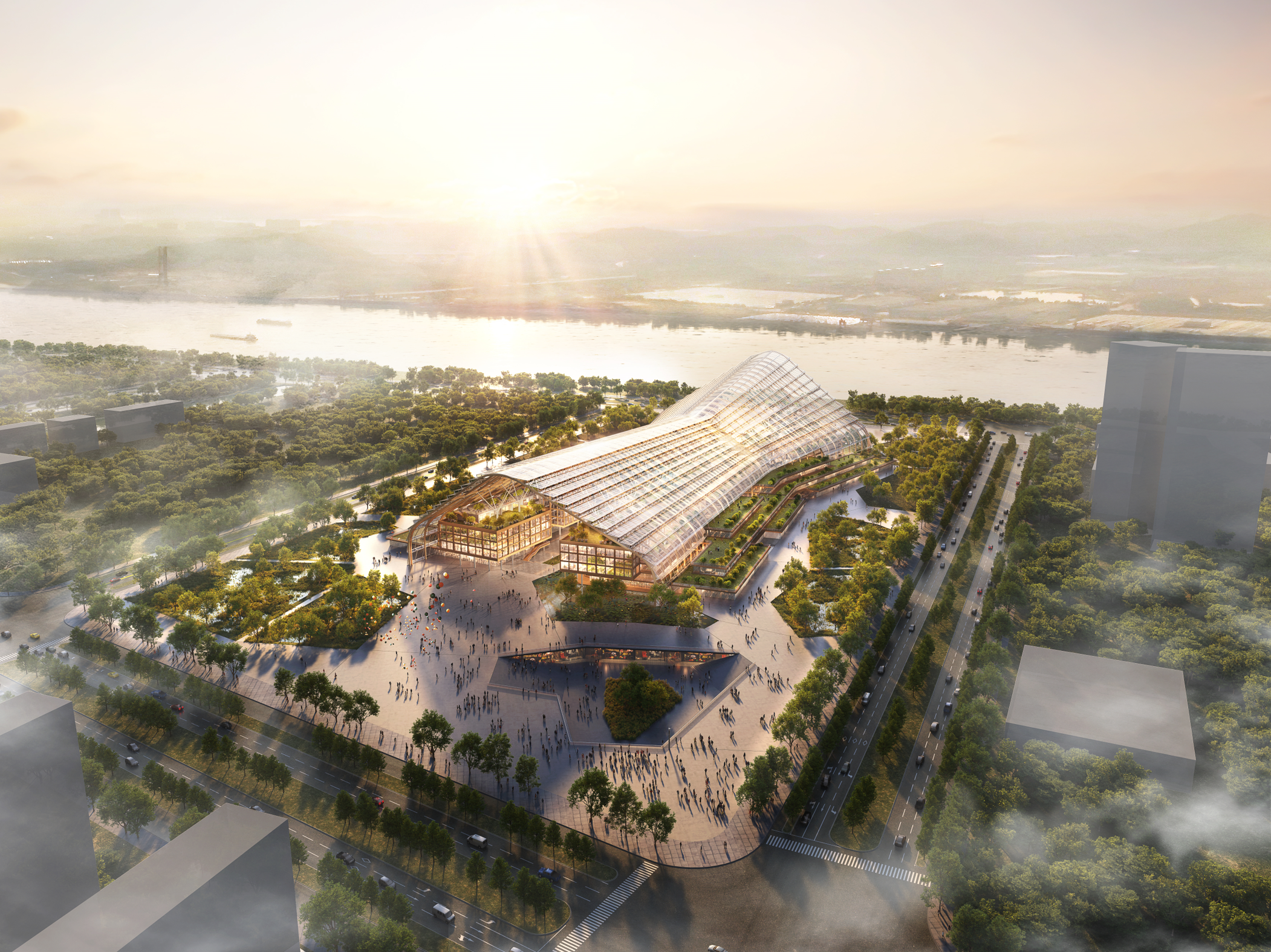
Our approach aims to create a human-scale ecosystem that promotes well-being, bio-based materials, and energy efficiency, with energy consumption reduced to one-third of that of conventional systems, in order to safeguard the future for generations to come.
Mingding Pan, Associate Architect / Arte Charpentier
Voir d’autres contenus :
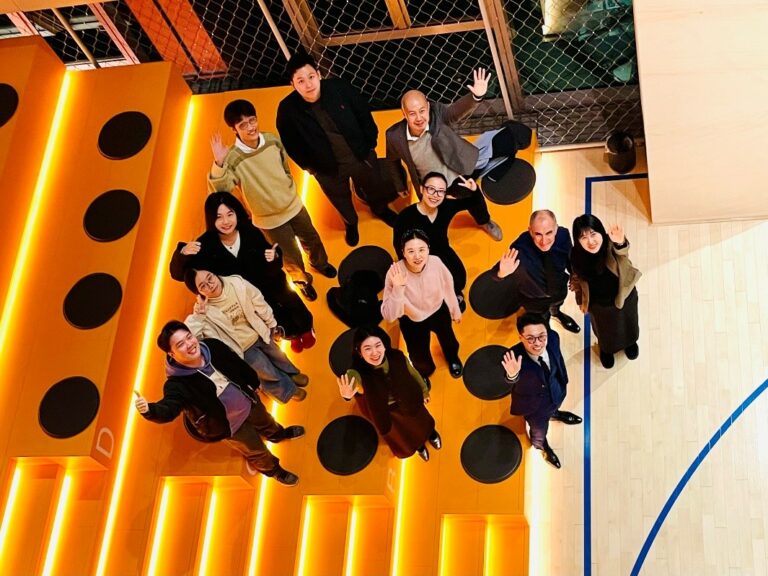
Arte Charpentier à Wuhan
20 January 2026

Mingding Pan nommé Ambassadeur du district de Wuchang
11 February 2026
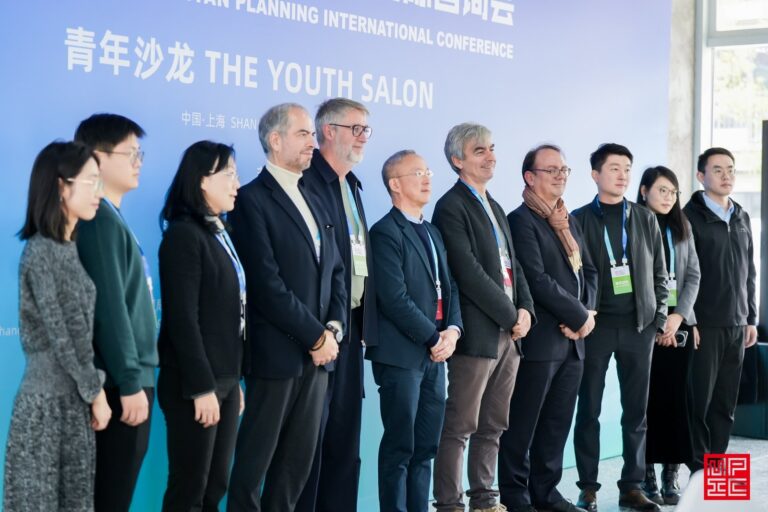
Arte Charpentier à Shanghai à l’occasion du MPIC 2025
03 February 2026
Pôle Commercial GMK
Cotonou, Benin, 2025

Artificial Intelligence Campus
China, , 2028

Franco-British Hospital – Restructuring and expansion
Levallois-Perret, France, 2027