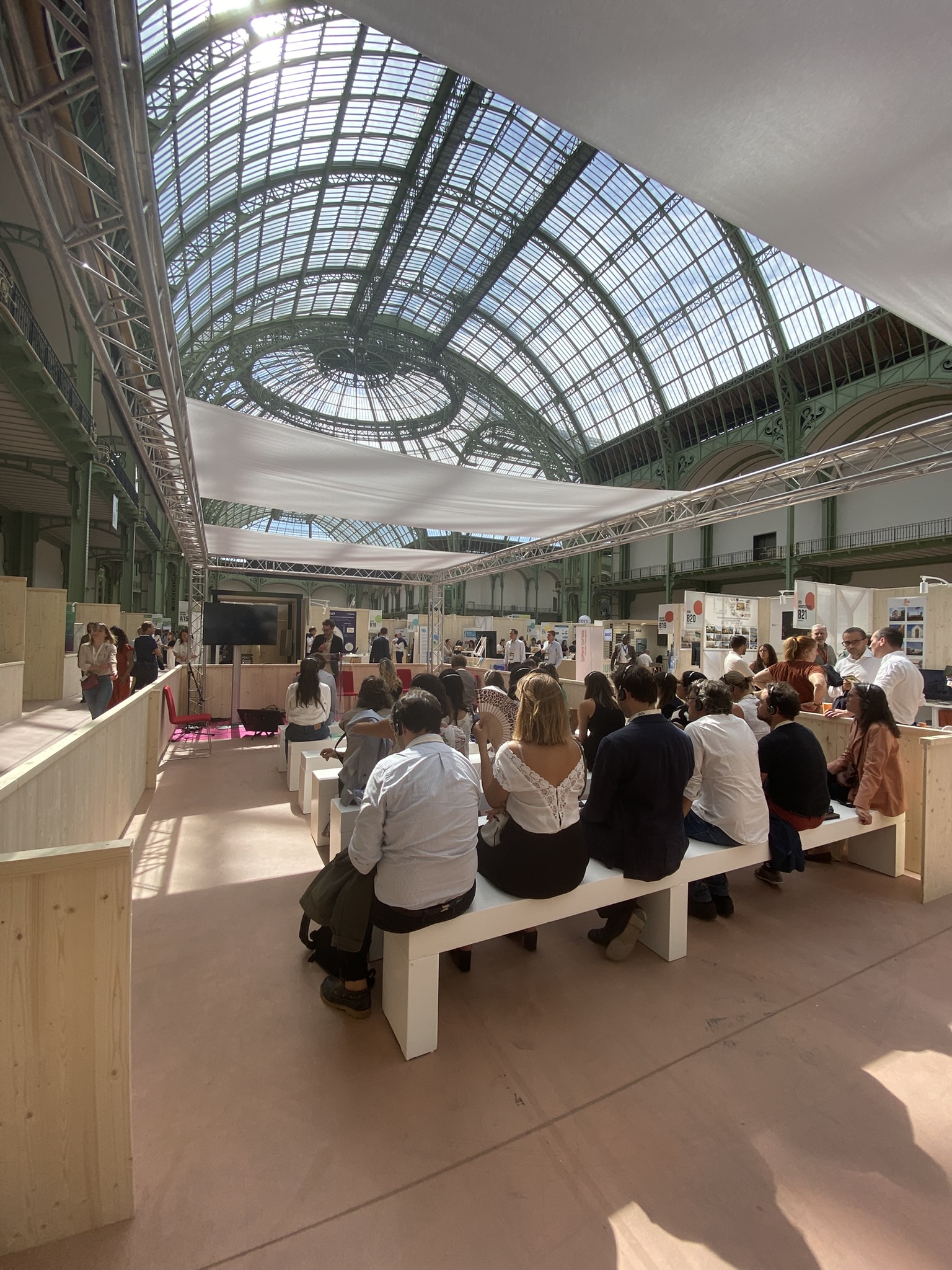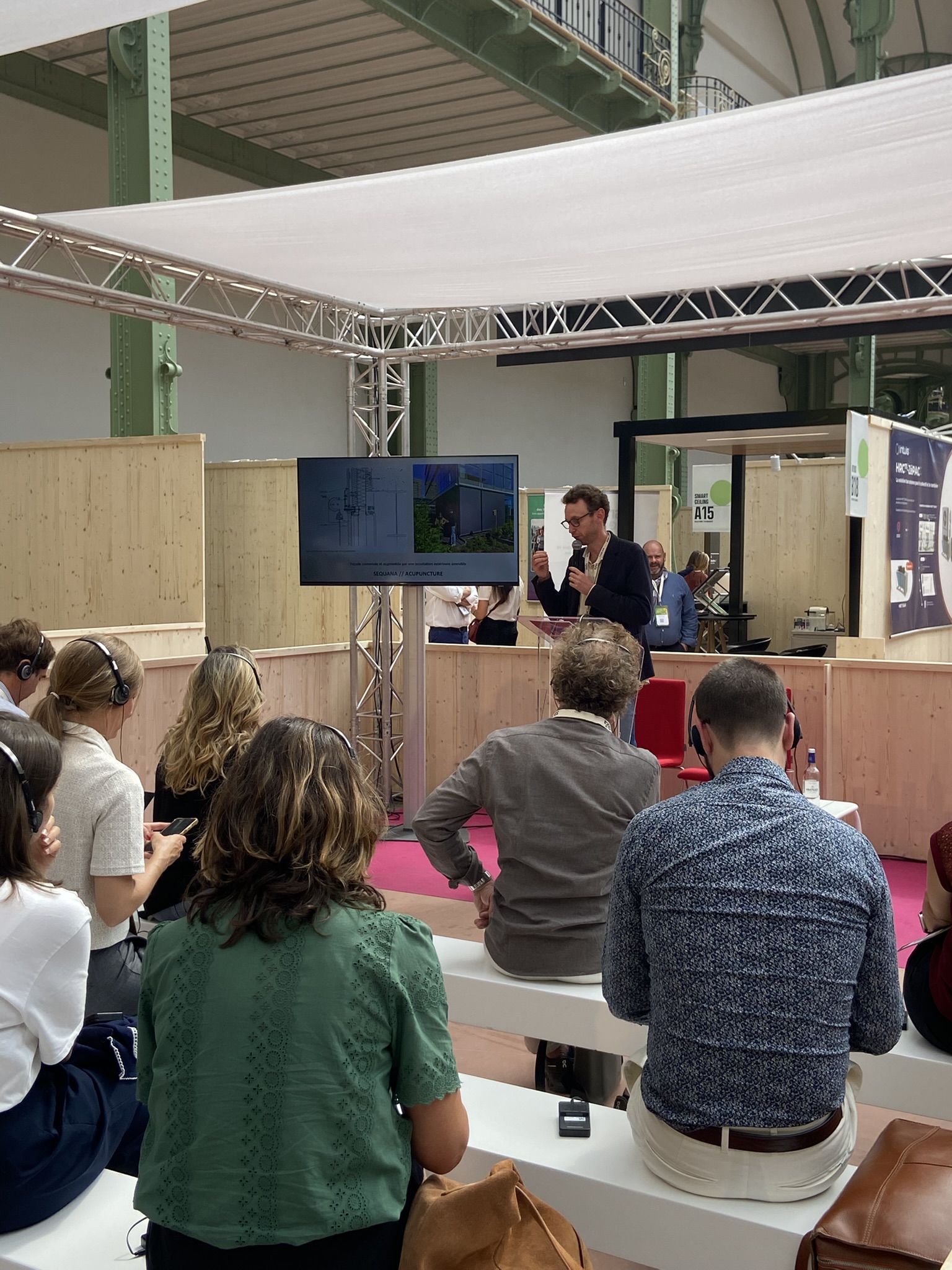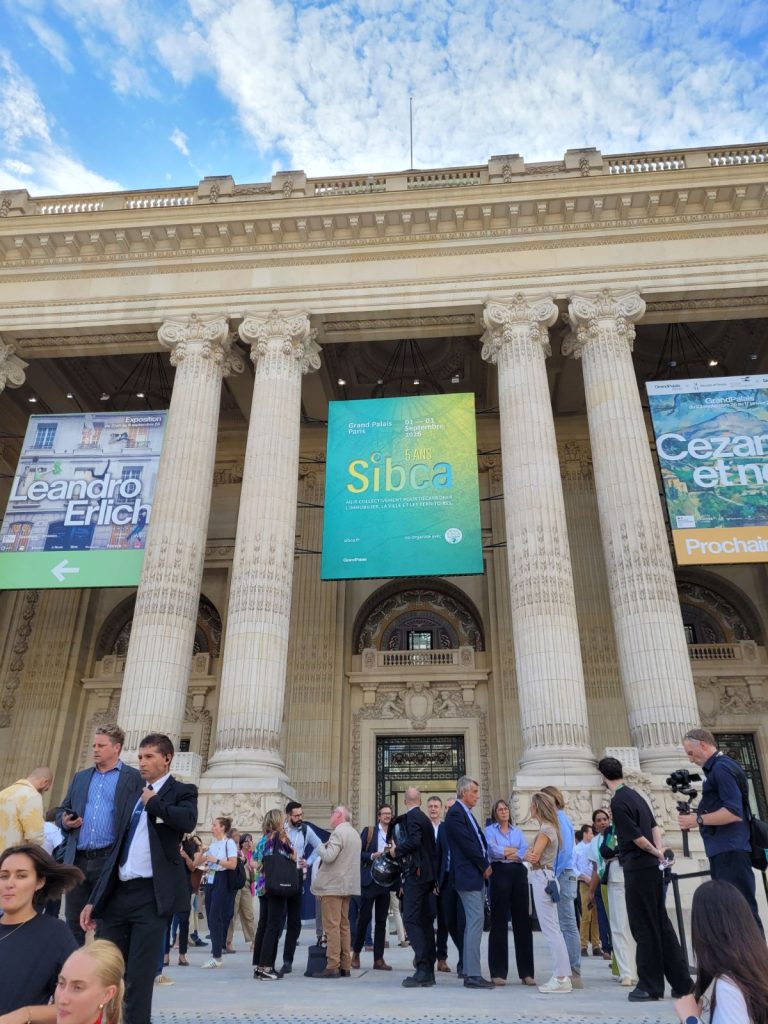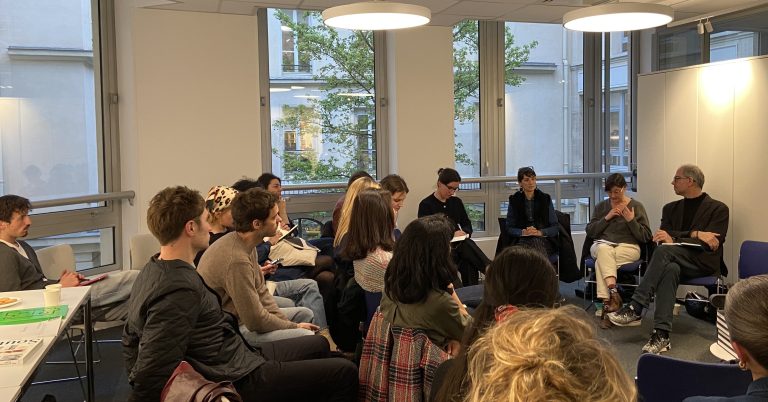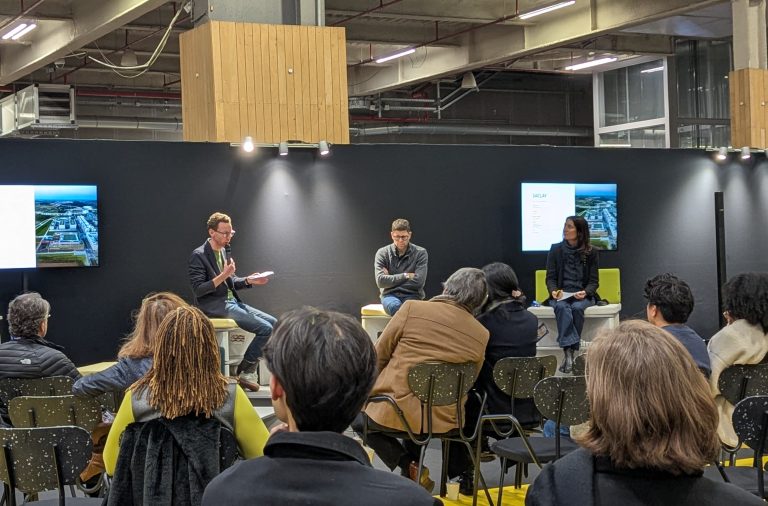


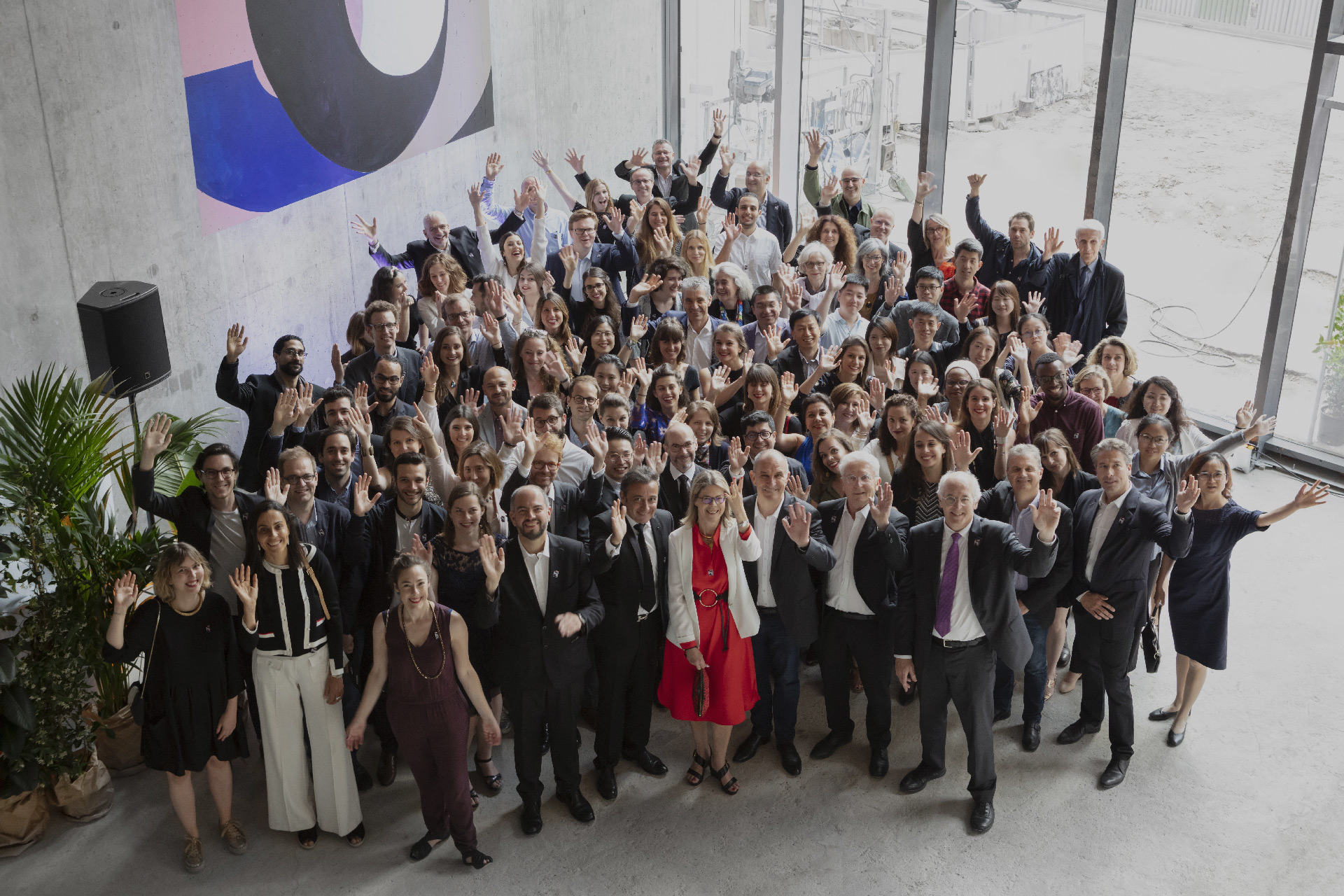



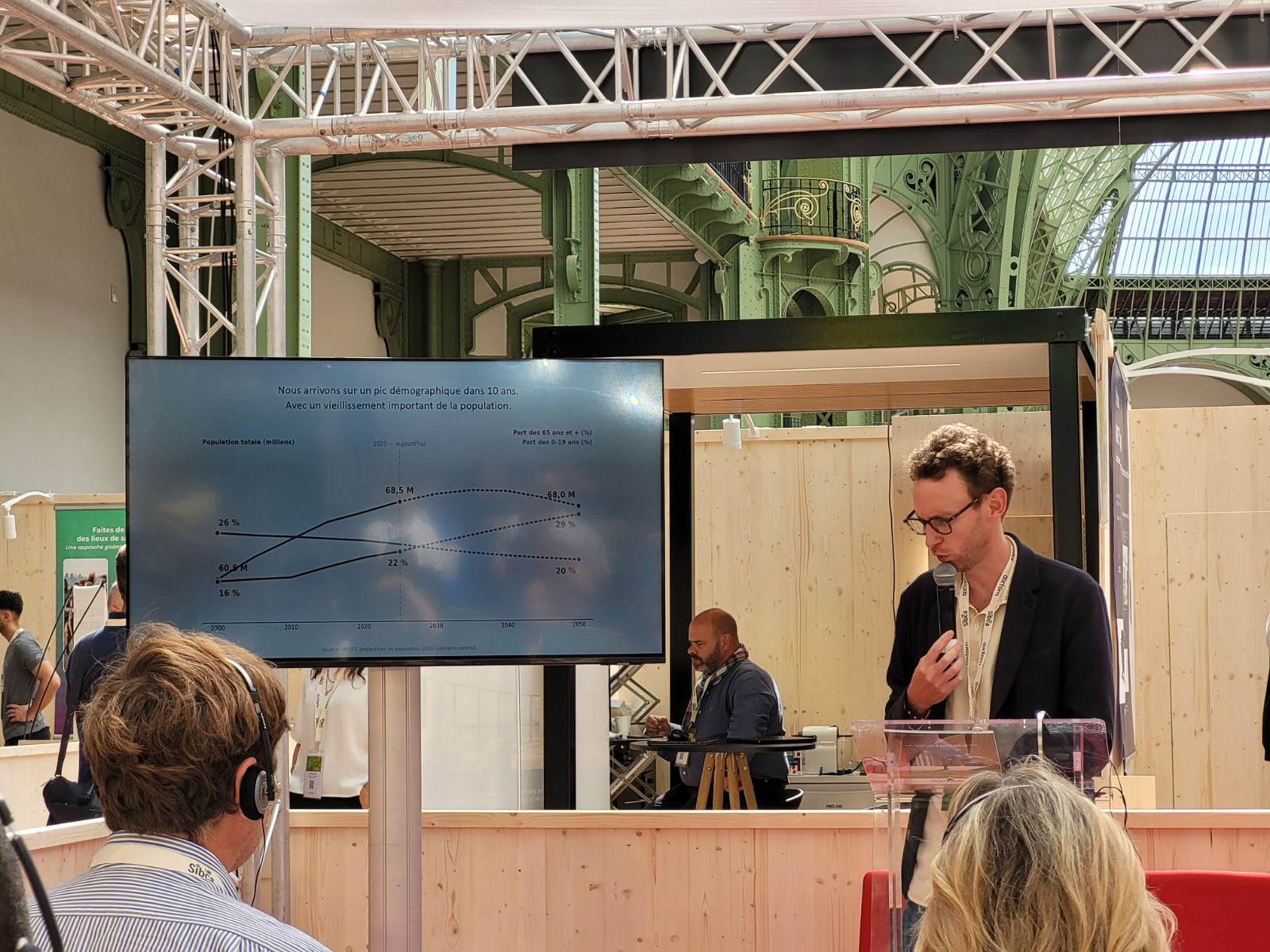
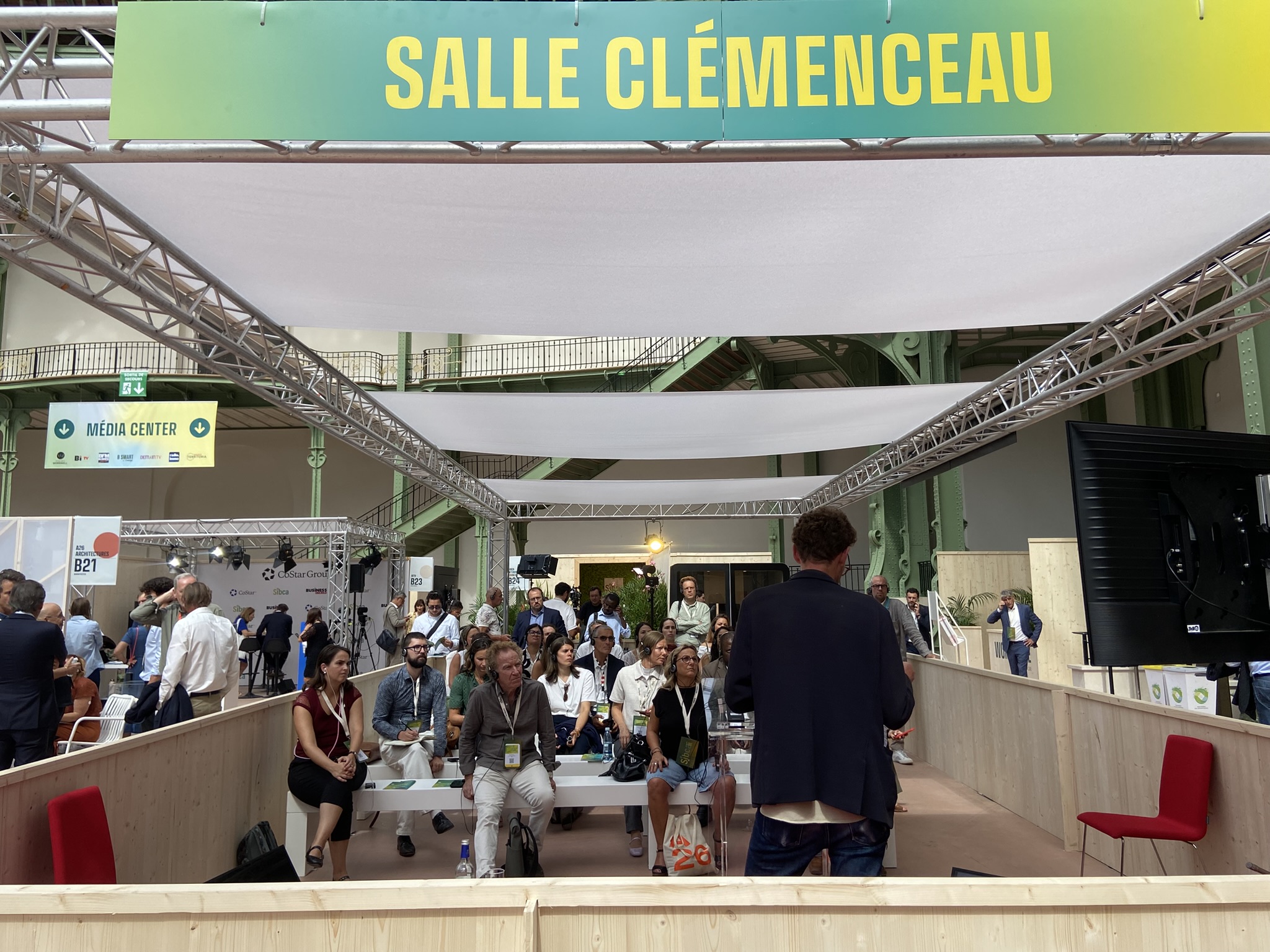
At this year’s SIBCA, Arte Charpentier organised and hosted a conference entitled ‘What already exists: the primary driver of decarbonisation’. It was a lively discussion led by Godefroy Saint Georges, the agency’s Managing Director. Here’s a look back at our approach to rethinking the city with precision and restraint.
What if the first step towards a low-carbon future were simply to look at what already exists in a new light? In the face of the climate emergency and the imperatives of sustainable cities, the transformation of our built heritage is no longer an option, but rather the starting point for any architectural thinking.
This was the premise put forward by Godefroy Saint Georges, Managing Director of Arte Charpentier, during his presentation at SIBCA. During the conference, he gave a detailed overview of the agency’s strategies for decarbonising the city, centred on three key areas:
The ARTE method (Adapt, Repair, Transform, Explore): A practical approach developed by our agency to systematise the enhancement of existing structures. Before demolishing, we systematically seek to extend the life cycle of buildings.
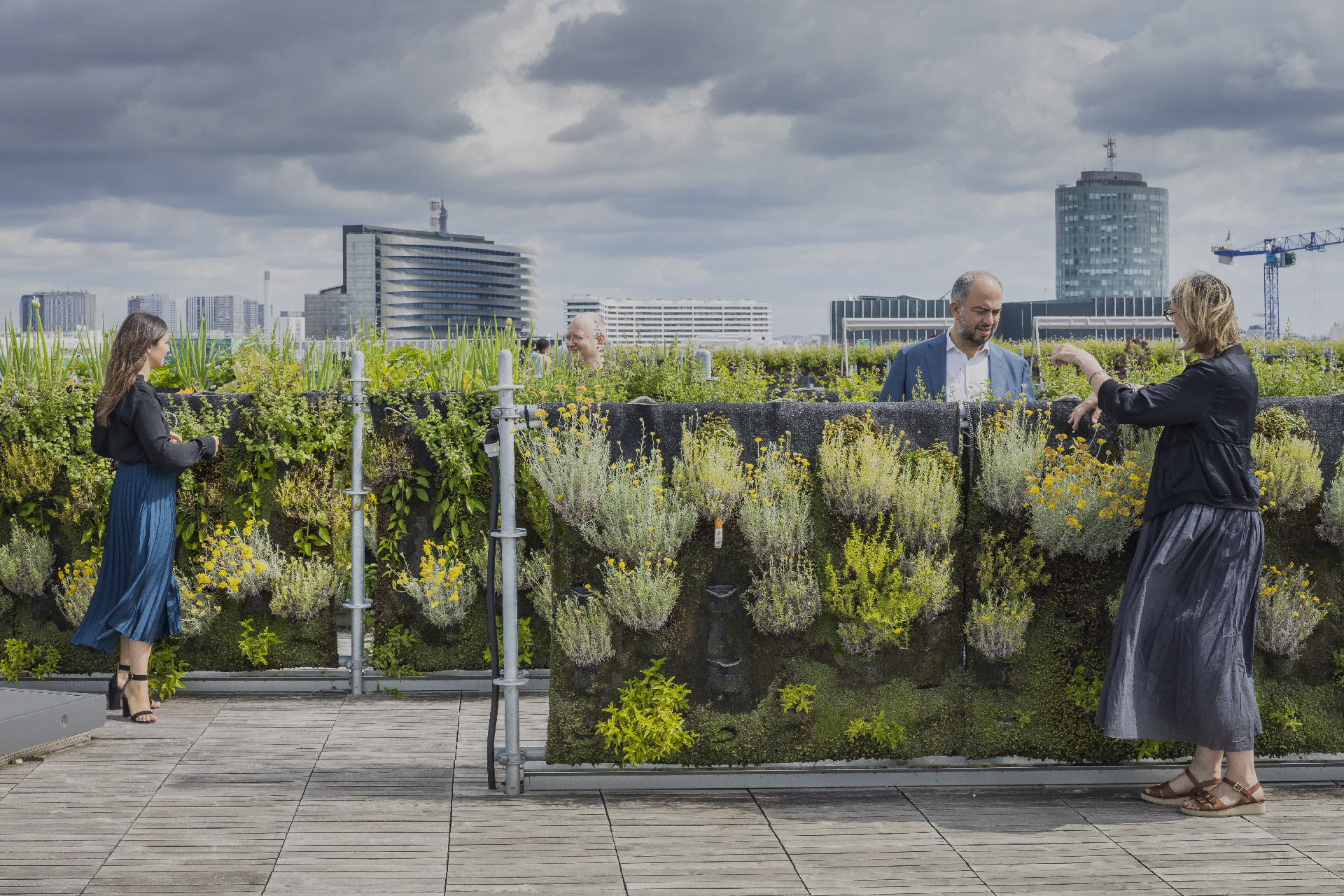
Architectural ‘acupuncture’: Rather than starting from scratch, this involves intervening in existing structures with precision and care, where this delivers maximum practical value with minimum carbon impact.
Reversibility and off-site construction: Where new construction remains necessary, it must be optimised. Anticipating future uses through reversible design and controlling the environmental footprint via off-site construction are now prerequisites.
‘What if the primary means of reducing carbon emissions were simply to look at what already exists in a different light?’ – Godefroy Saint Georges
This conference reaffirmed our deeply held convictions: the architecture of the future is one that knows how to build on its heritage, whilst innovating technically to design desirable and adaptable spaces.