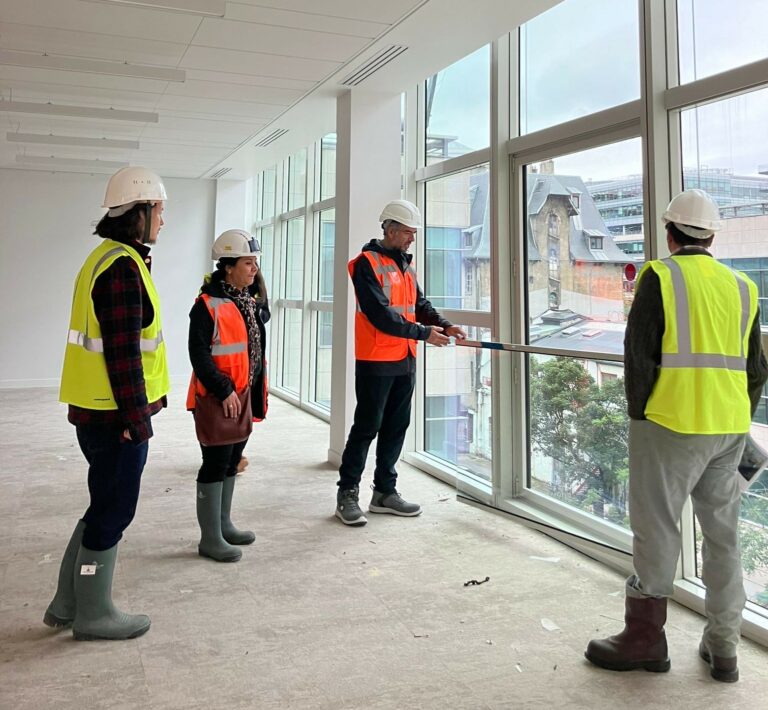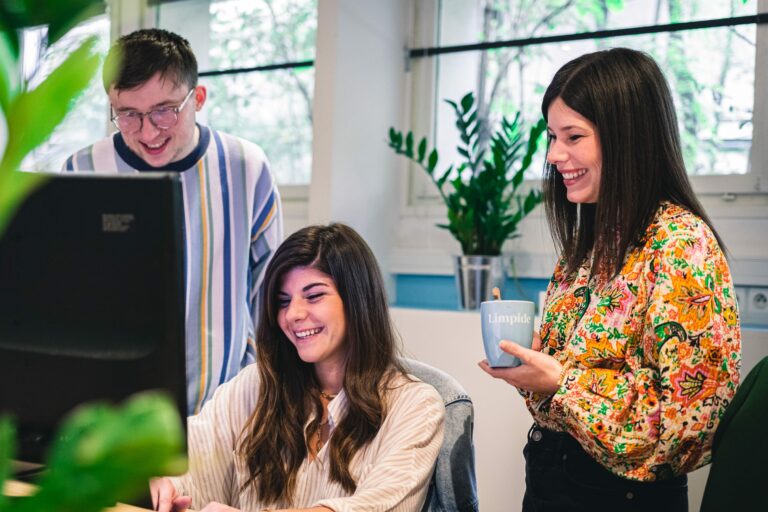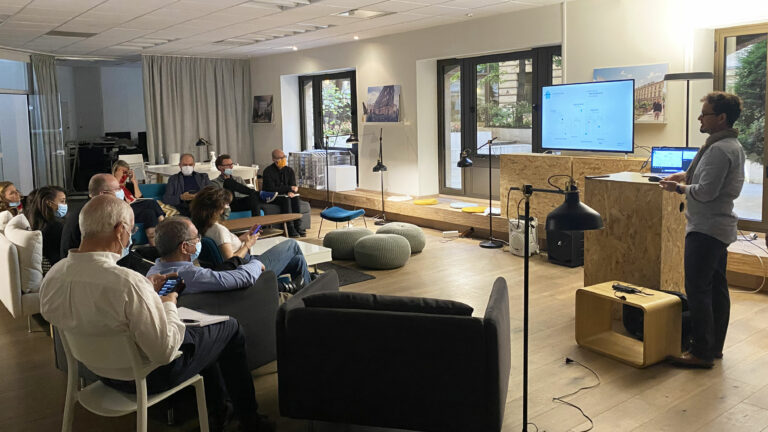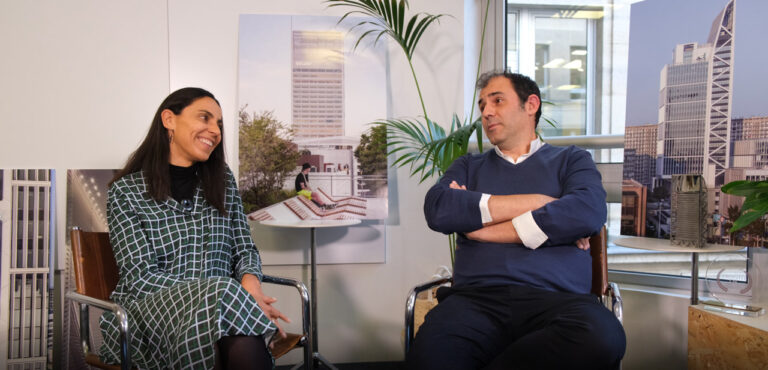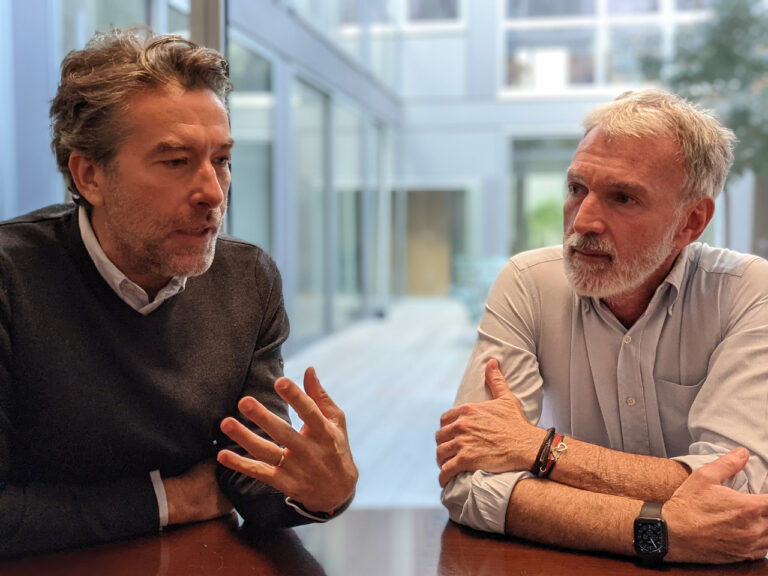




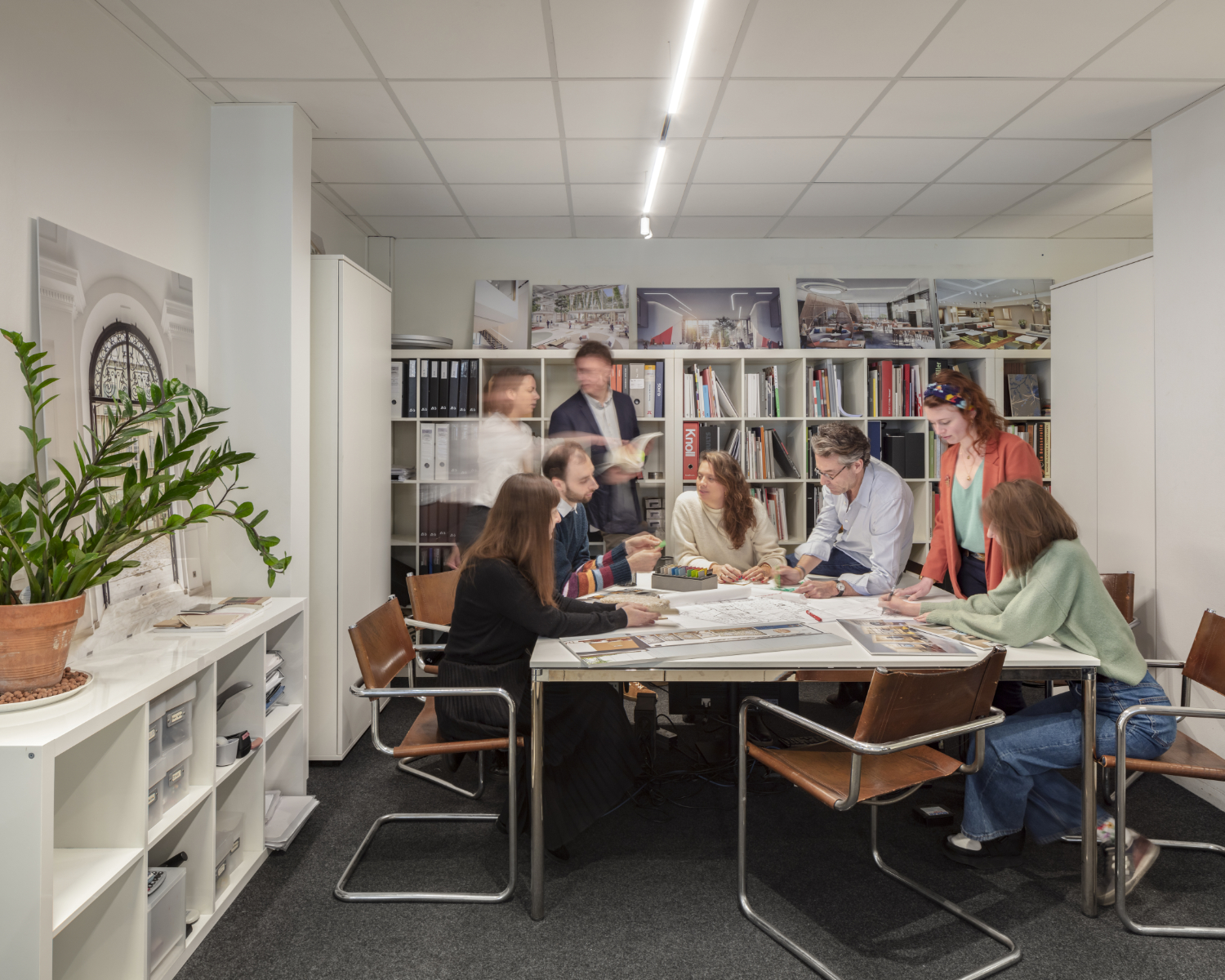
Created over 25 years ago, the Studio originally offered turnkey solutions to support the agency’s architectural projects. Enriched by its expertise and numerous achievements, it now diversifies its missions to include independent projects: tenant fit-outs, signage, design and scenography, artistic direction, as well as the acquisition and promotion of collections and works of art. The Studio operates in various sectors such as retail, education, culture, health, and hospitality, thereby strengthening its contribution to the agency’s overall creative vision.
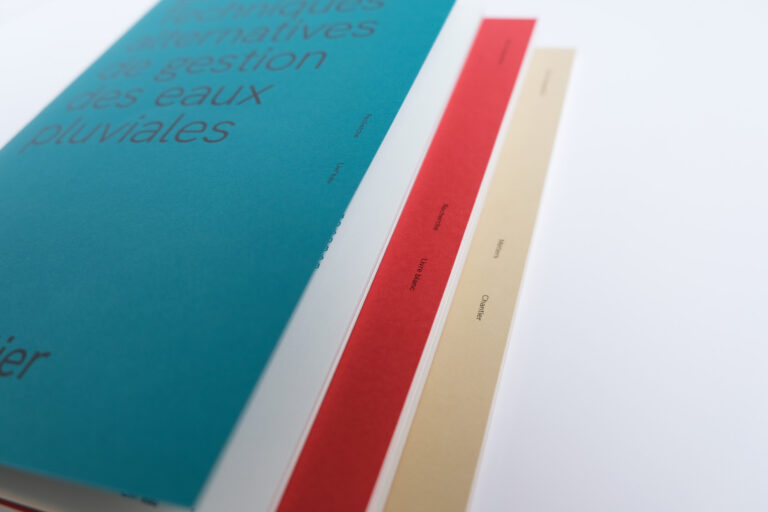
On the occasion of the publication of their new book, the Studio team spoke with Jean-Philippe Hugron, a journalist specializing in architecture, about the major issues facing interior architecture and design today. The discussion addressed how interior architects sculpt space with rigor and sensitivity, while integrating contemporary issues such as hybridization of uses, new forms of work, hospitality, sustainability, and reuse of materials.
© Cécile Septet
How do you view your profession as an interior architect and designer?
Our profession involves a thoughtful approach to organizing a plan, but also its circulation, the articulation of its functions, the design of lighting, and the implementation of specific materials. In other words, we sculpt a given space. To do this, we master perspectives, transparencies, and axes, without ever forgetting the human dimension. Ultimately, we bring ergonomics to architecture. An overall vision and a sense of proportion are necessary, ranging from the intimate to the collective.
What issues are you particularly concerned about today?
Lifestyles, working practices, and travel habits have changed, particularly due to the major impact of the health crisis, which has accelerated these transformations. Among the topics that interest us, the hybridization of uses occupies a central place. This involves combining domestic and hotel codes within professional environments. The challenge of this strategy is to promote well-being at work and in hospitals. Sociologists are approaching this new theme from the perspective of “hospitality.” We identified the seeds of these changes many years ago, and our projects have easily absorbed these changes. The current situation merely confirms our intuitions.
Is interior architecture capable of responding to contemporary challenges, from the financial crisis to the climate crisis and the energy crisis?
In our view, restructuring is motivated by a desire to inhabit a space deemed obsolete in a different way. In these circumstances, interior design can become a useful science for avoiding the mobilization of significant financial and material resources. Rethinking circulation, lighting, and acoustics are all ways to radically transform spaces on a tight budget. The tertiary sector is not the only one concerned. Health, education, housing, and other areas can also benefit from less radical and more reasoned interventions.
What approach do you take to integrating environmental concerns into your projects, particularly with regard to the choice of materials?
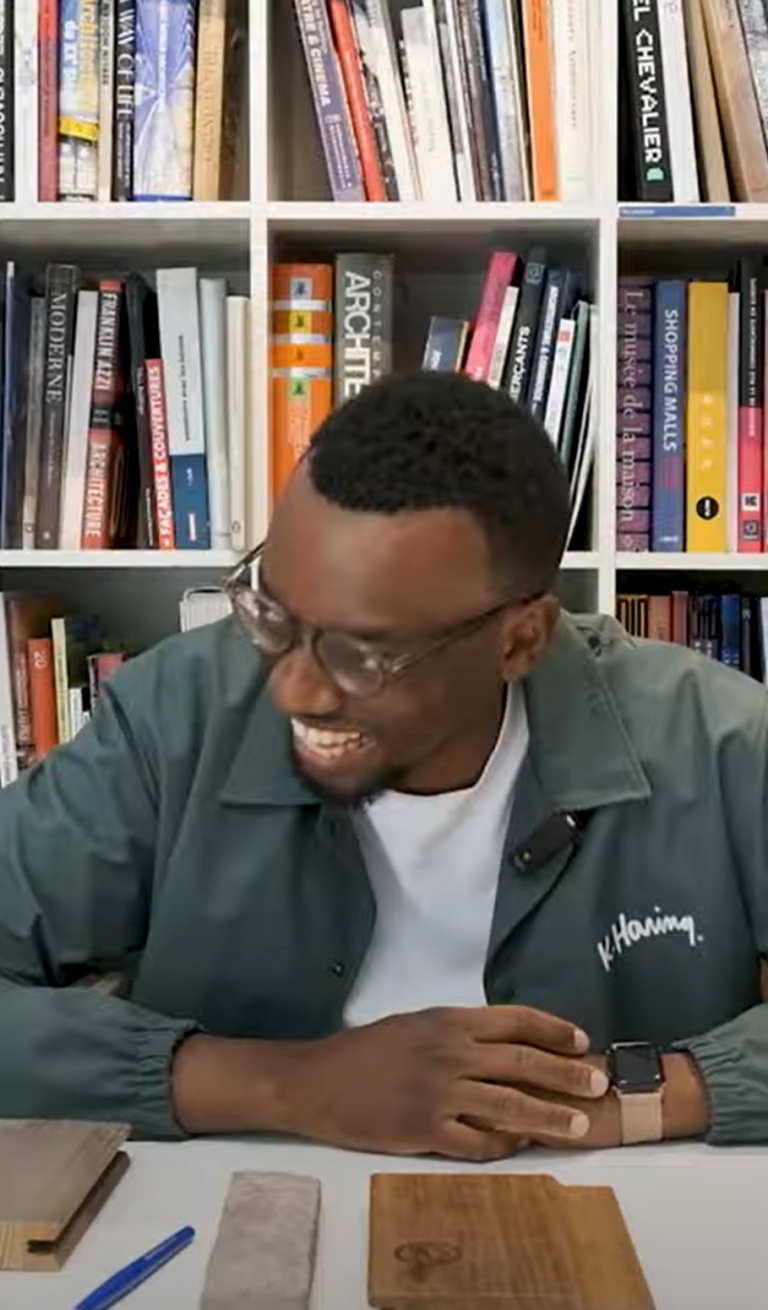
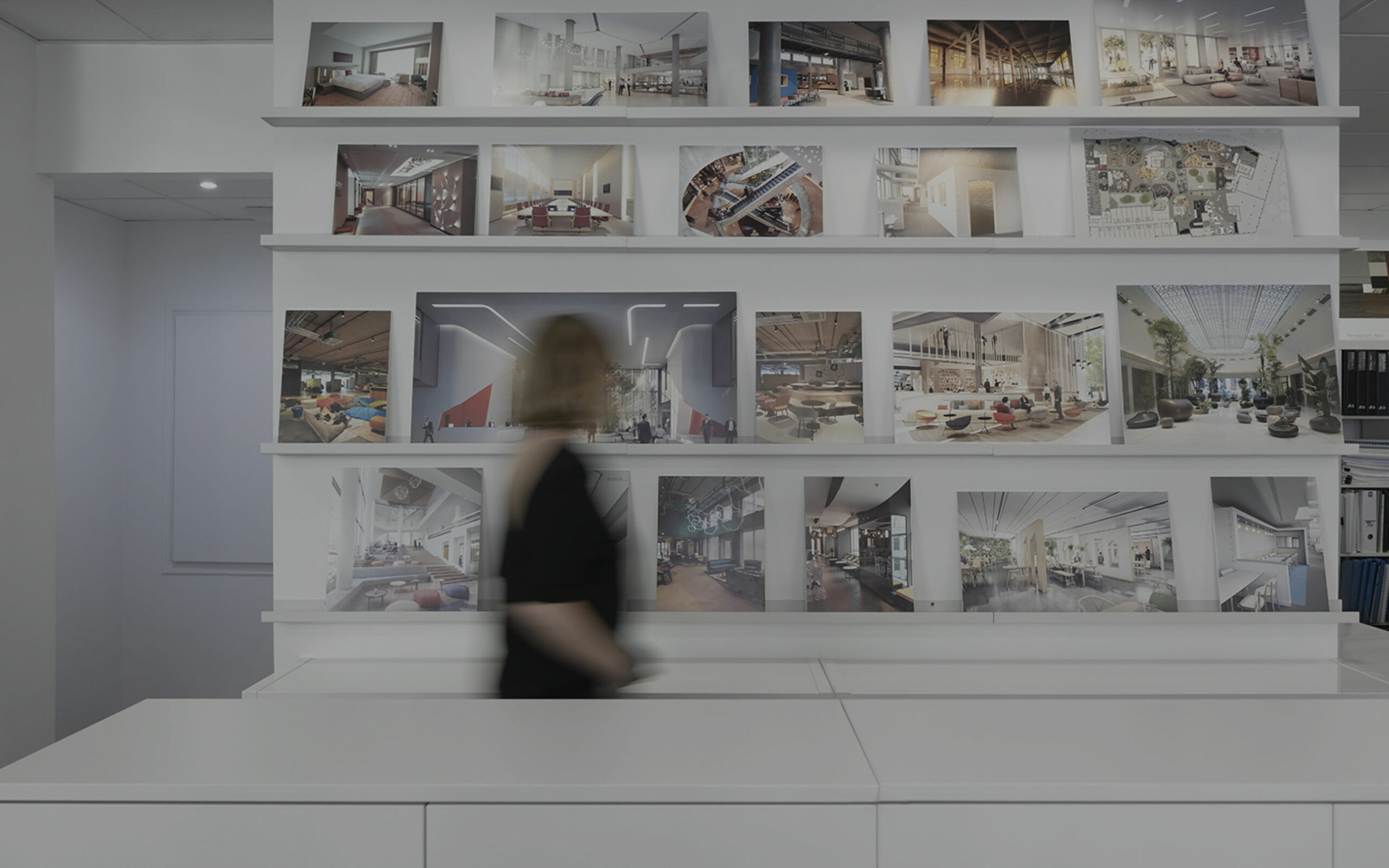
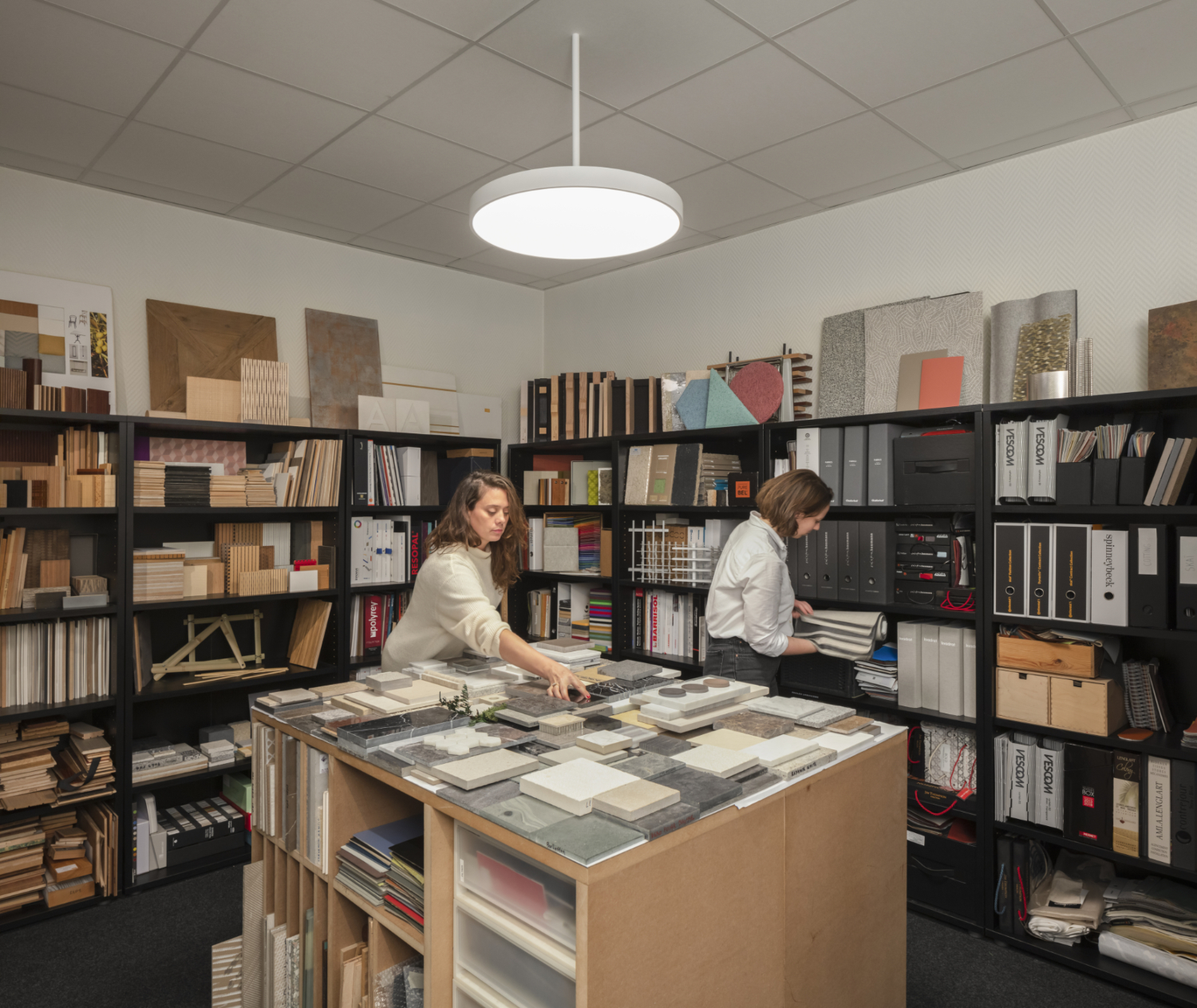
Our projects incorporate a sensitive dimension and, consequently, consideration of materials, the importance of which is all the more significant given that we cannot ignore environmental concerns. To this end, we rely on responsible materials. With this in mind, we have developed a materials library, which is now an essential tool in our research and projects. It gives pride of place to innovative materials, some of which are linked to recycling or reuse, and involves close relationships with manufacturers, suppliers, and the most innovative start-ups in the field. Beyond the aesthetic and environmental qualities of a product, we need to understand how it is implemented and the constraints of its industrial use.
© Cécile Septet
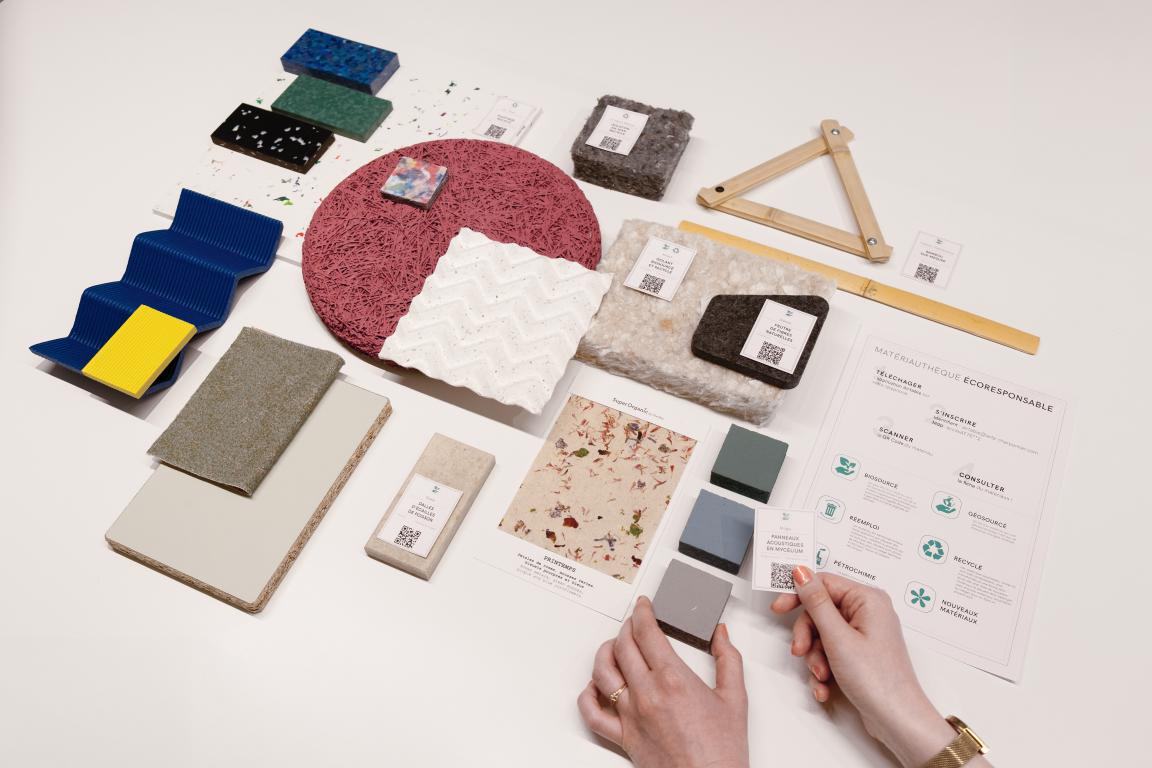
The eco-material library, launched in 2020 and constantly expanding, is now a key tool in the Studio’s responsible approach. Its digital version, developed in 2023, allows us to guarantee the selection of innovative, sustainable, and appropriate materials at every stage of our projects, in perfect harmony with our environmental commitments.
👉 Discover our portfolio by clicking here: Dessiner les espaces – Comment concevoir des espaces qui ont du sens ?