

7 Adenauer

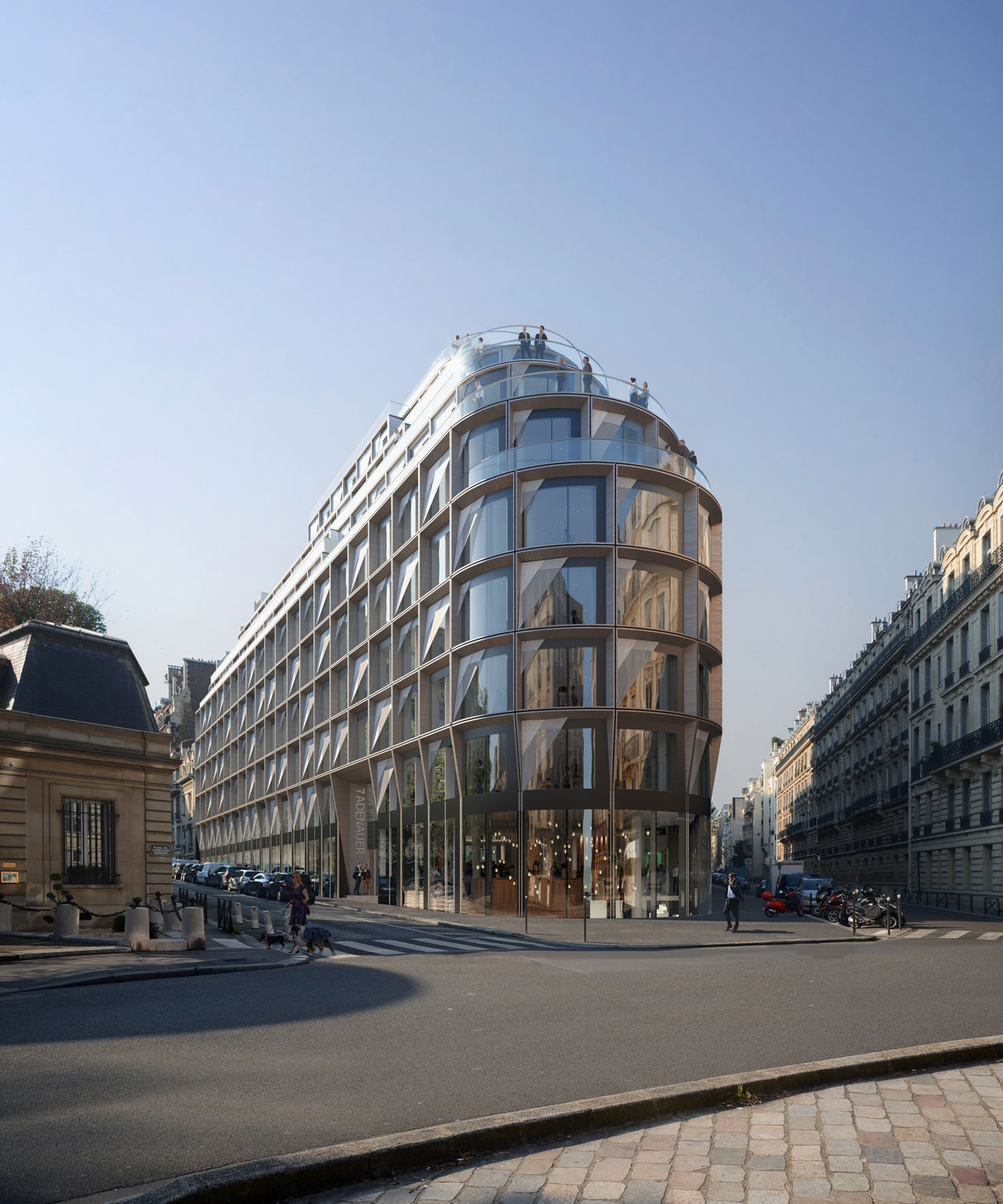
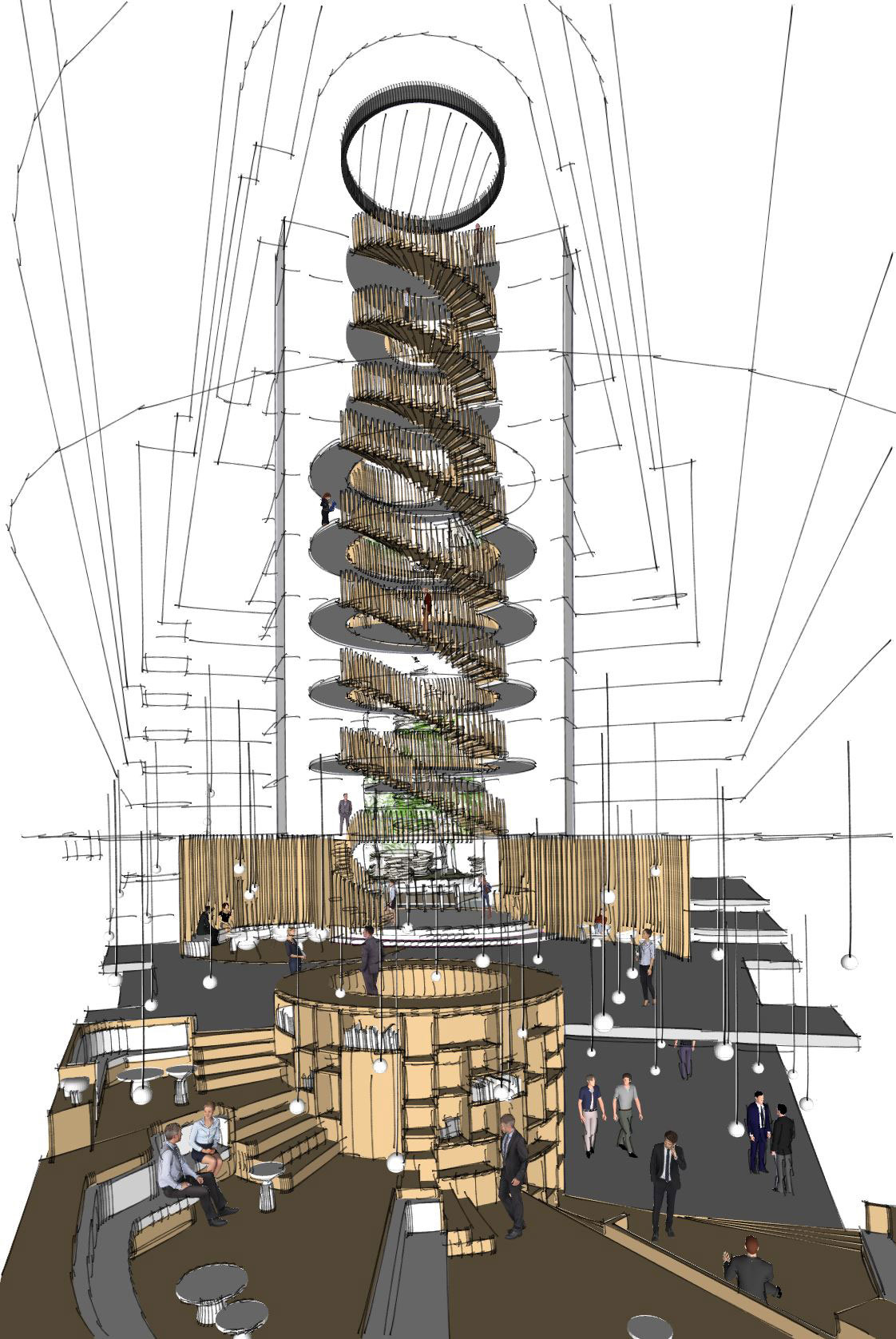
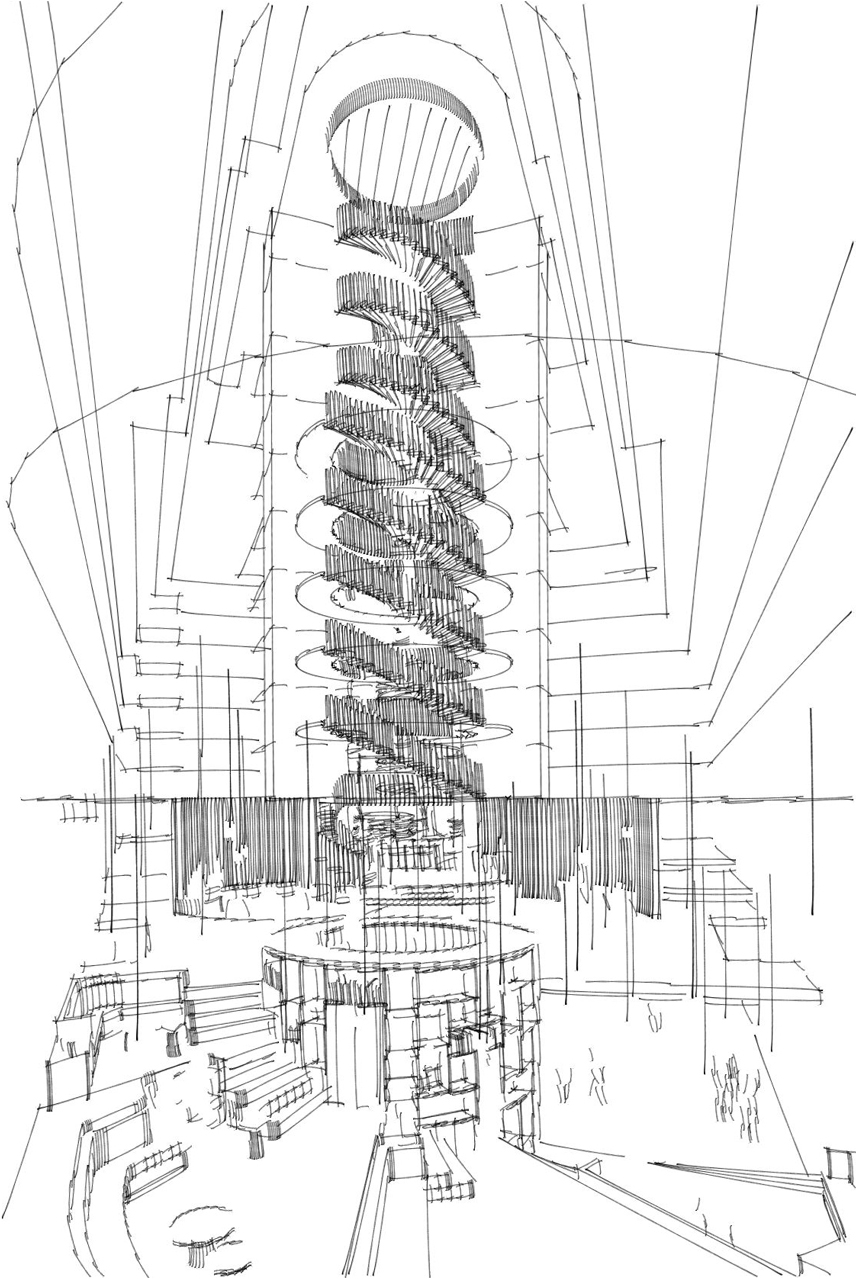
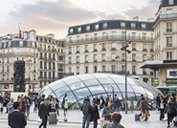
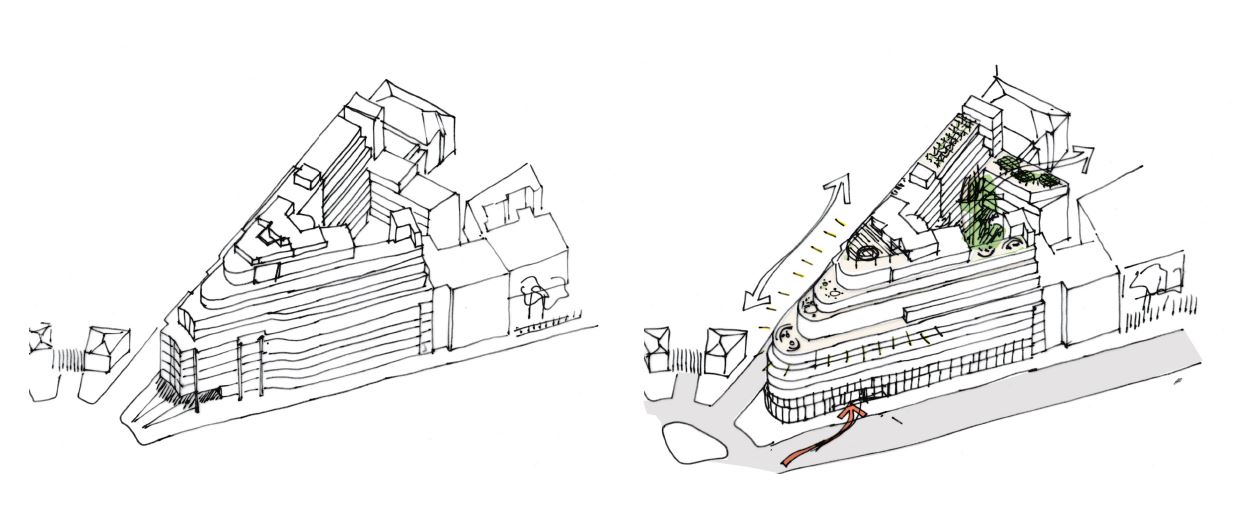
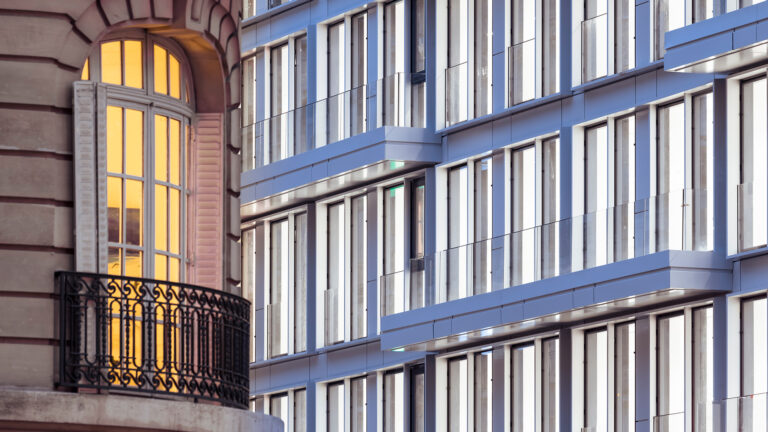
Renovation of 7 Adenauer, headquarters of Unibail-Rodamco-Westfield, located in the 16th arrondissement of Paris, in a contemporary architectural style that echoes the codes of Haussmannian architecture.
Learn more

paris Adenauer

Informations

Type of project Rehabilitation
Programme Tertiary
Client Unibail-Rodamco-Westfield
Missions Architecture

Location Paris, France
Competition 2020
Surface area 70 000 m²
Environmental approach RT2012

Learn more

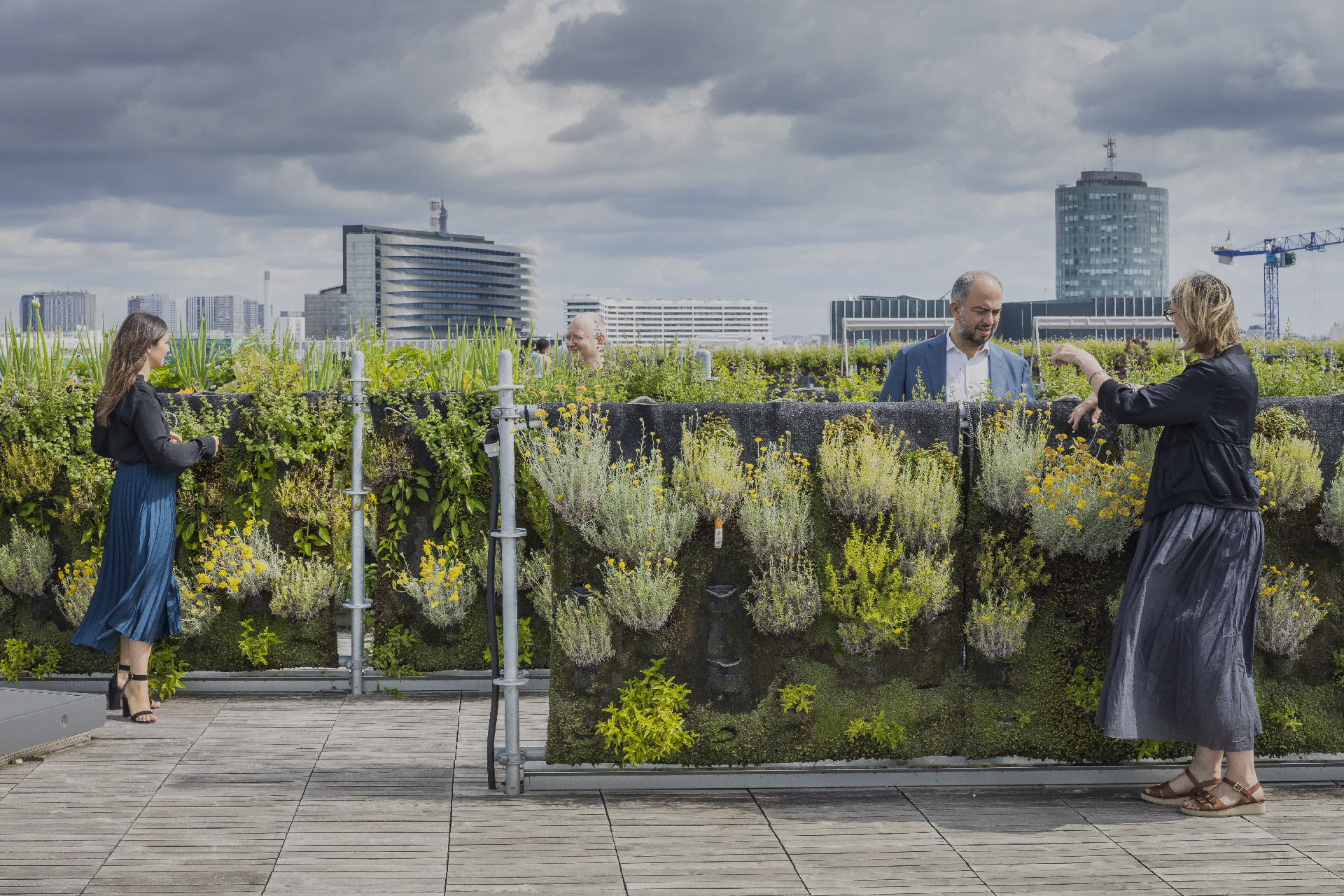
The distancing of our teams imposed by lockdown encouraged us to draw on our resources and invent new ways of collaborating.

Antonio Frausto, architect / Arte Charpentier
12 500
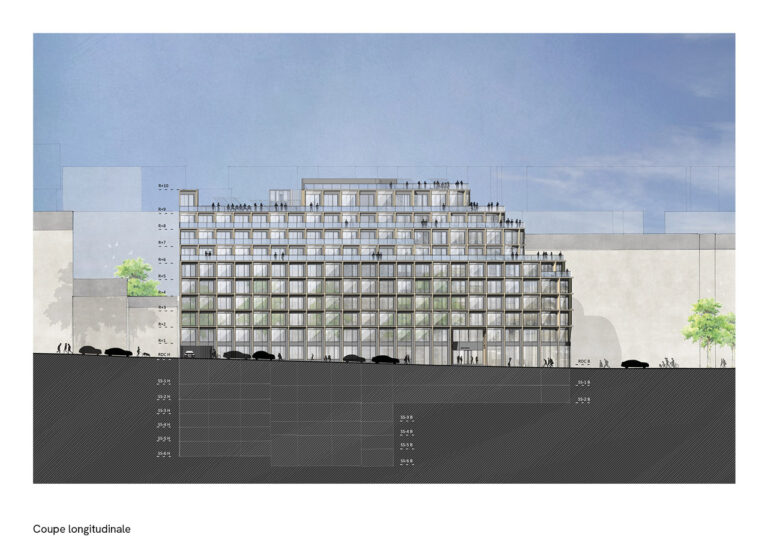
9 floors

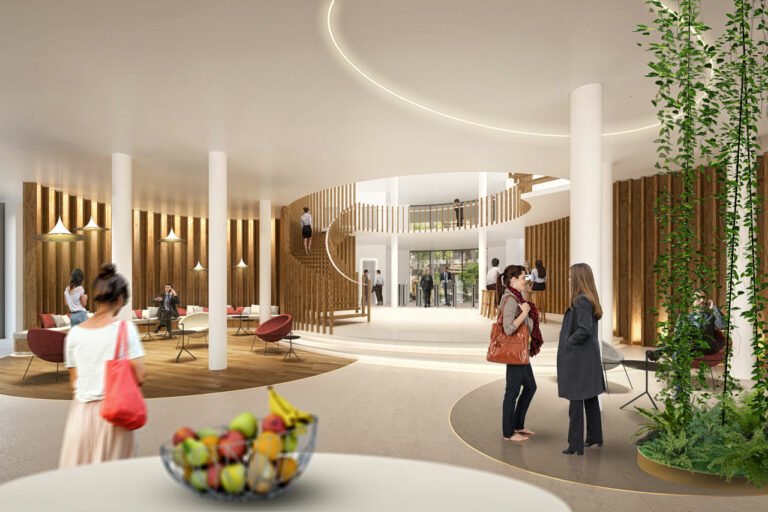
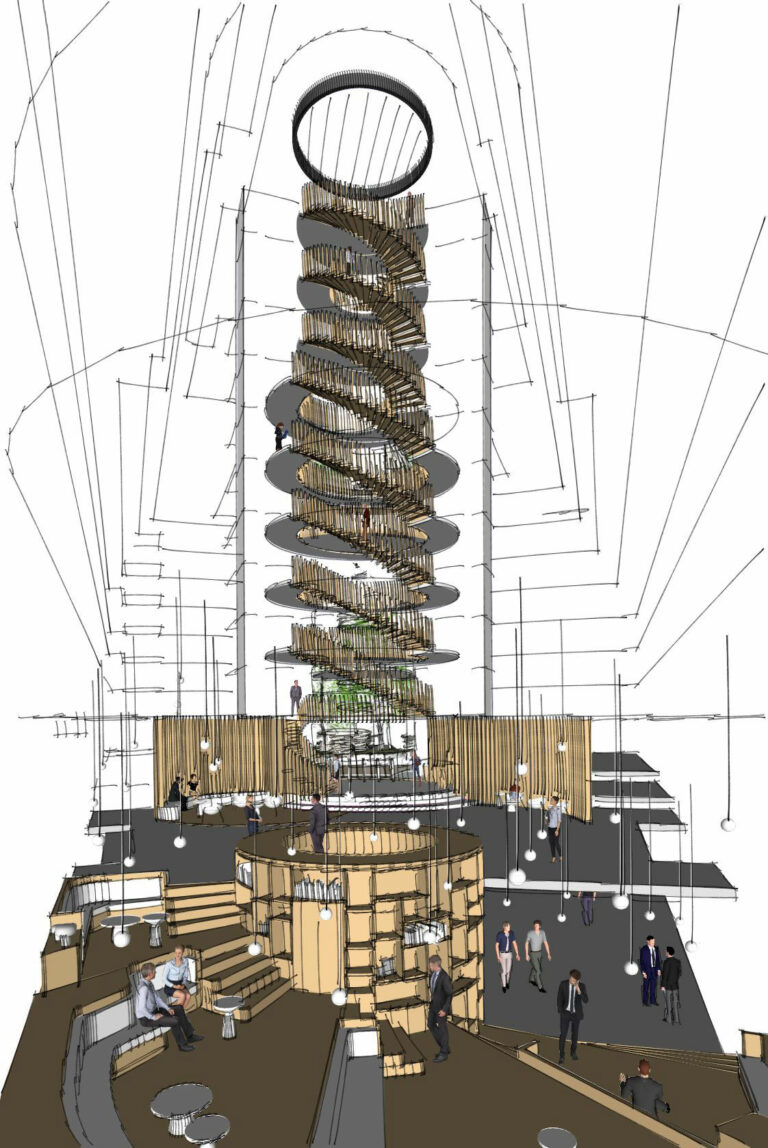
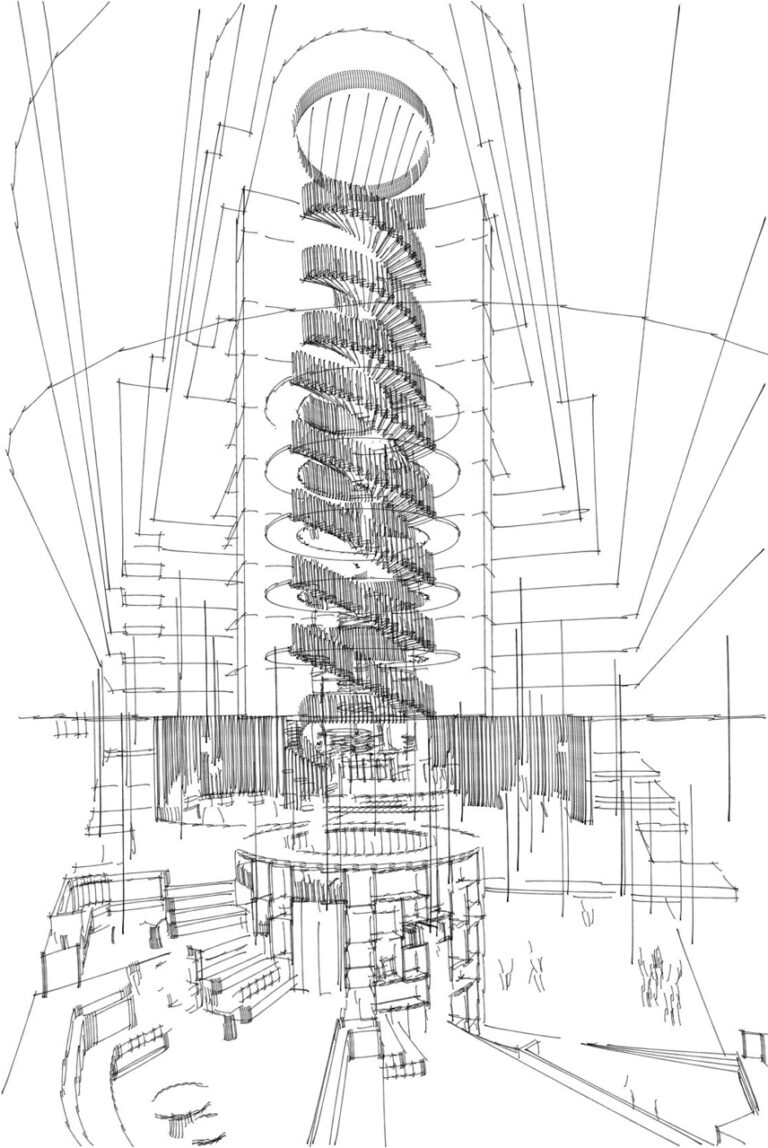
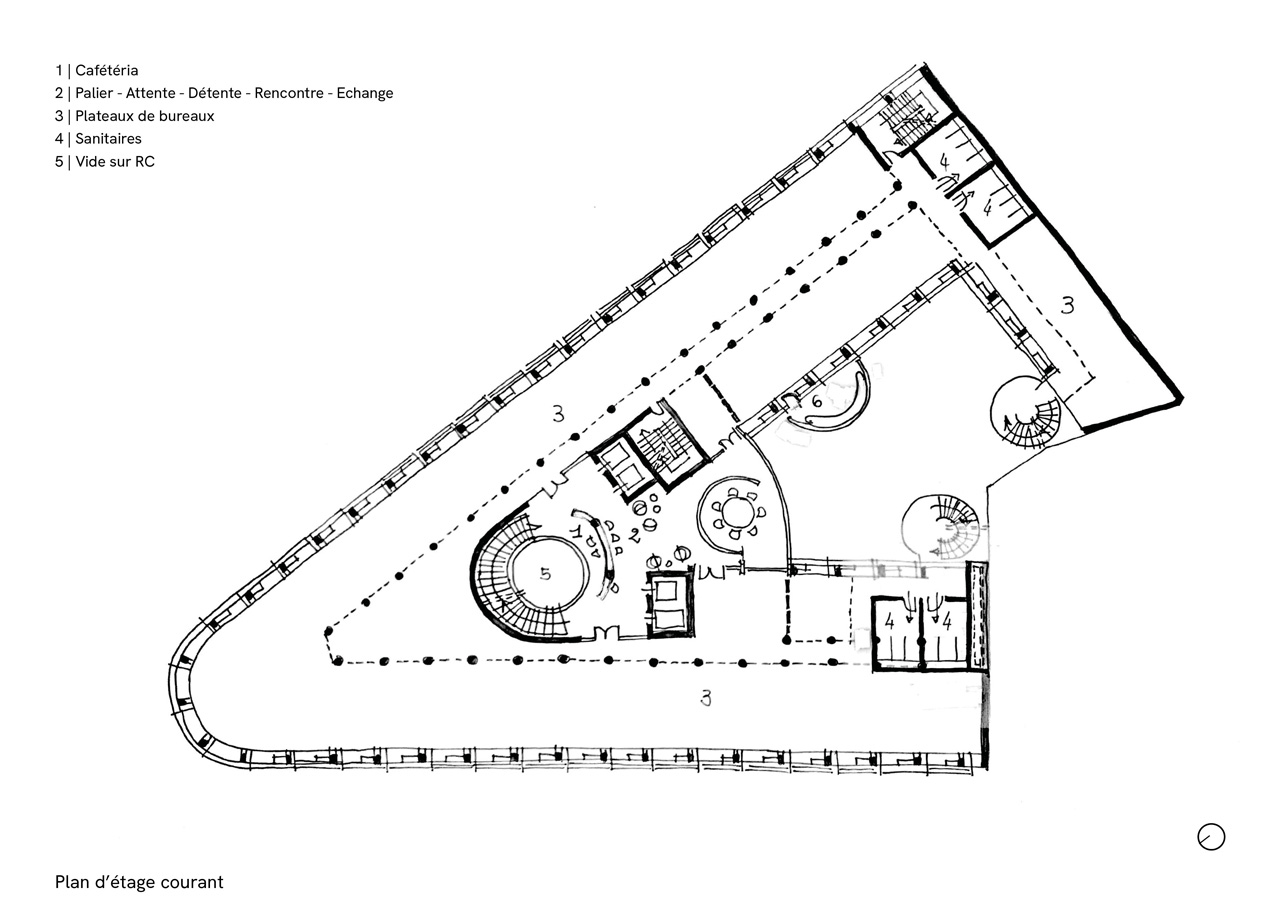
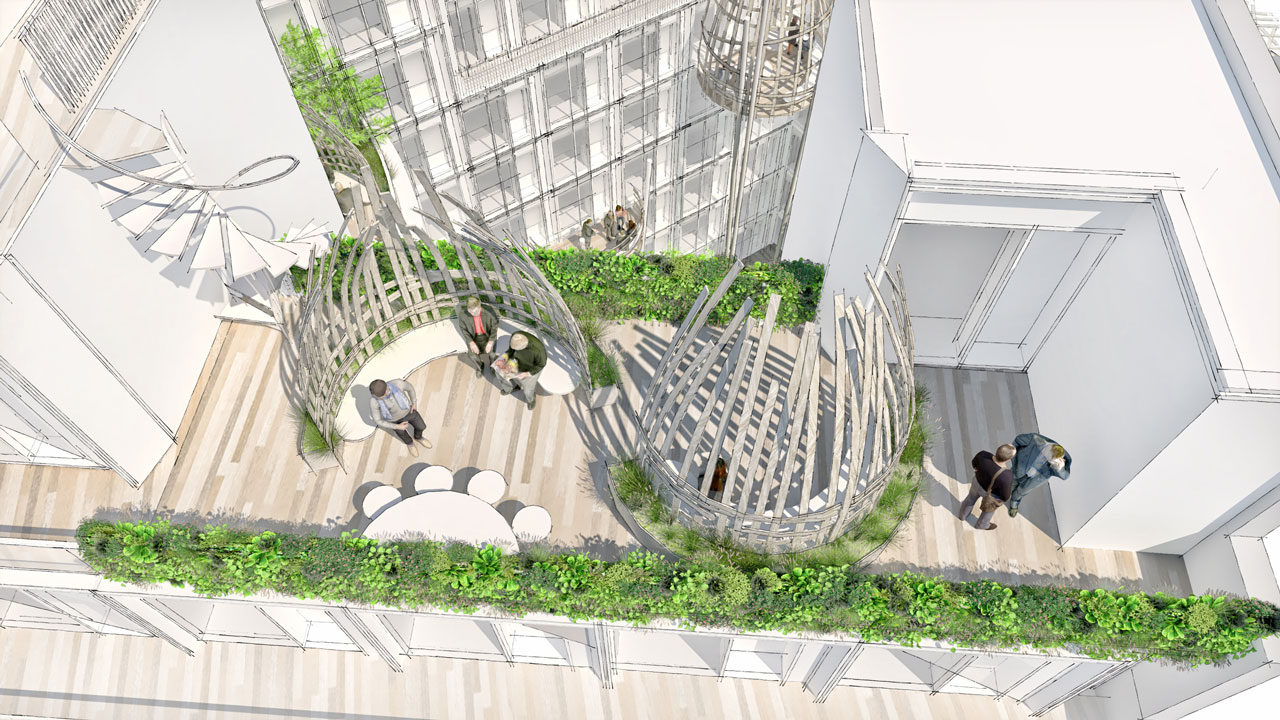
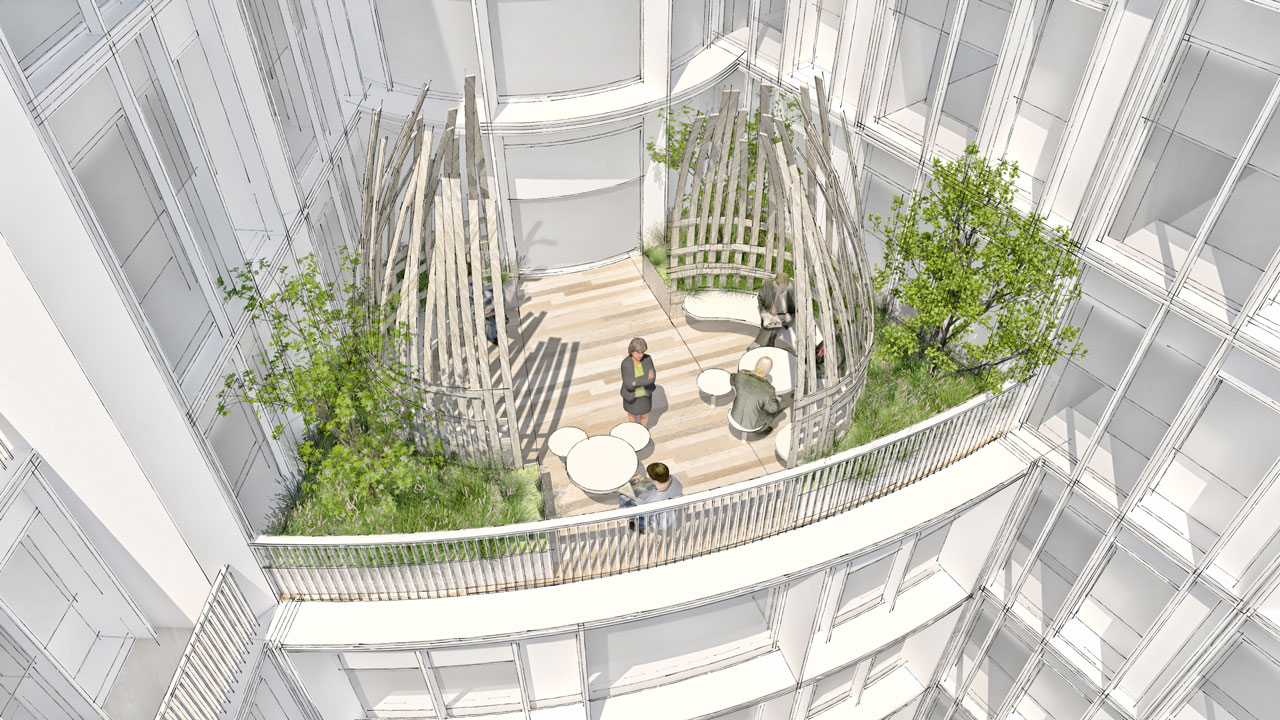
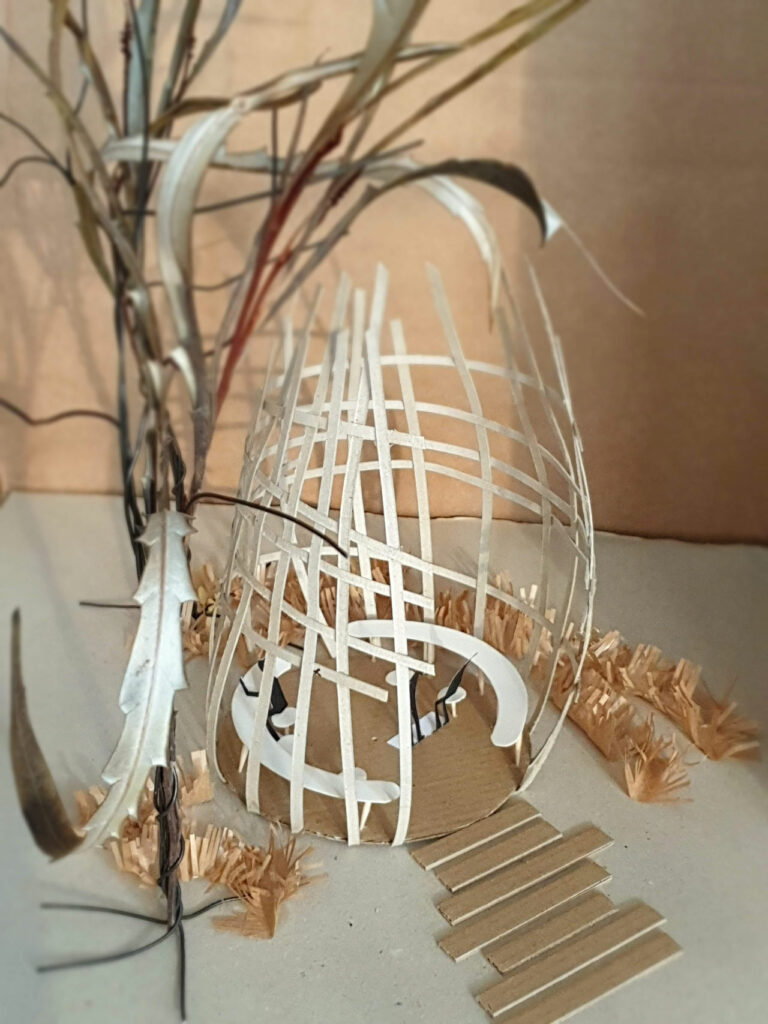
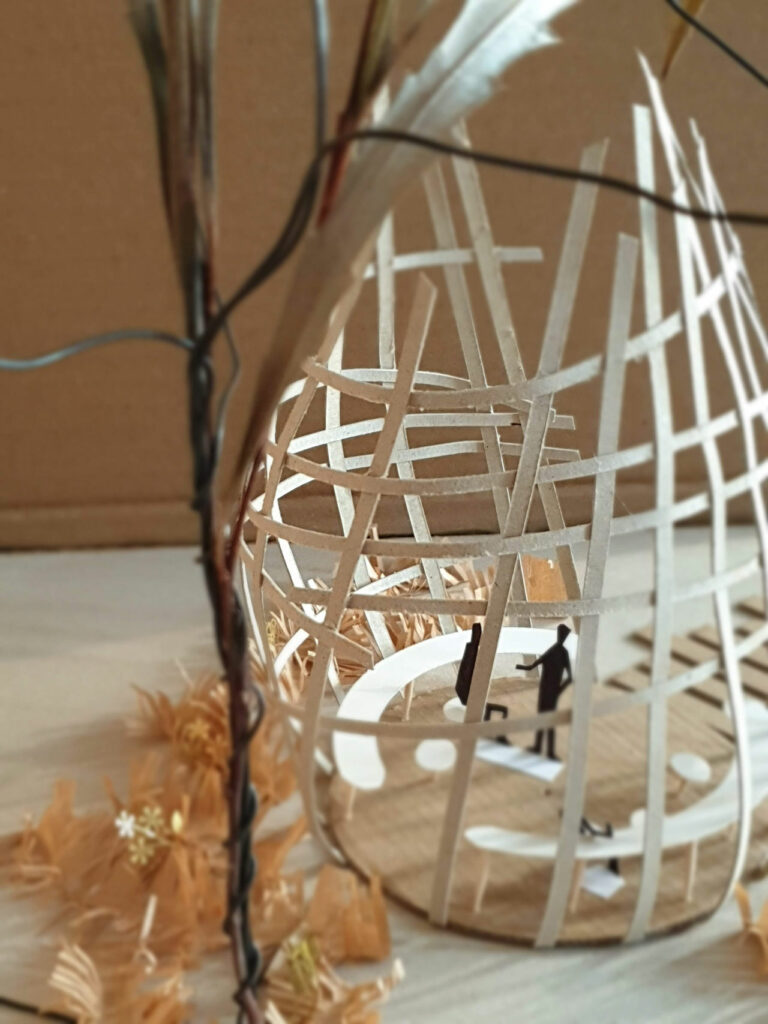
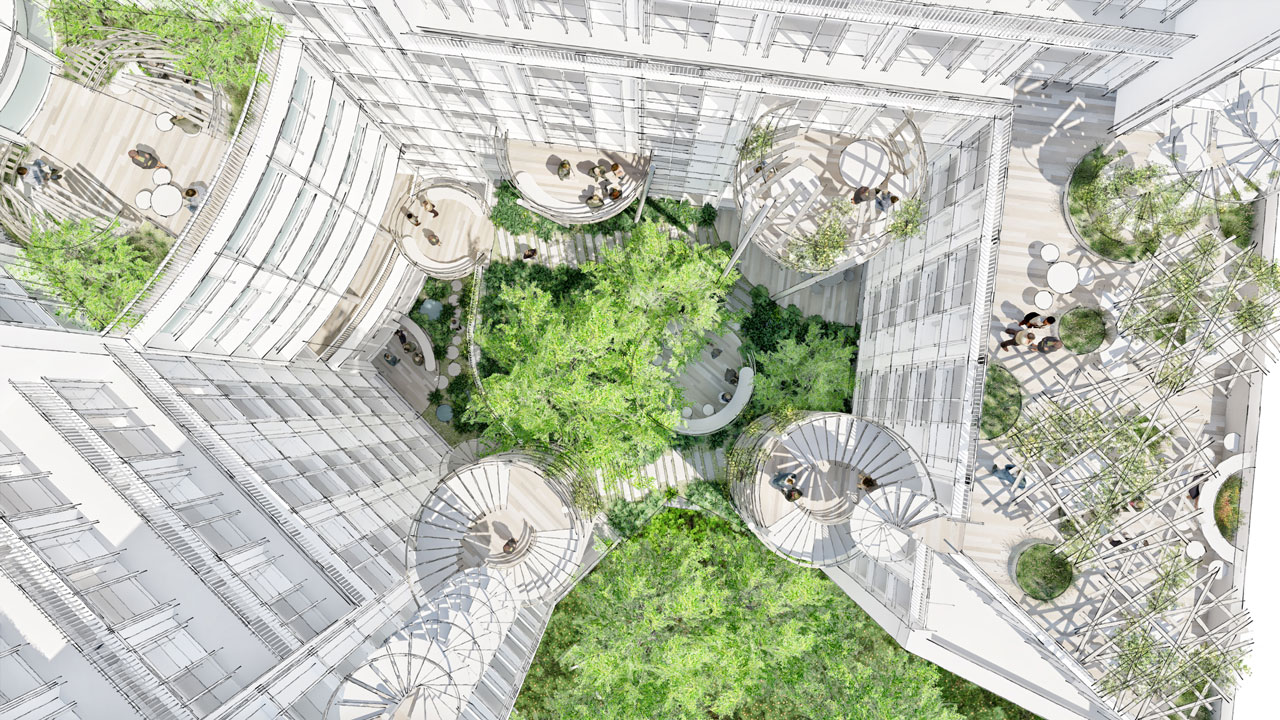
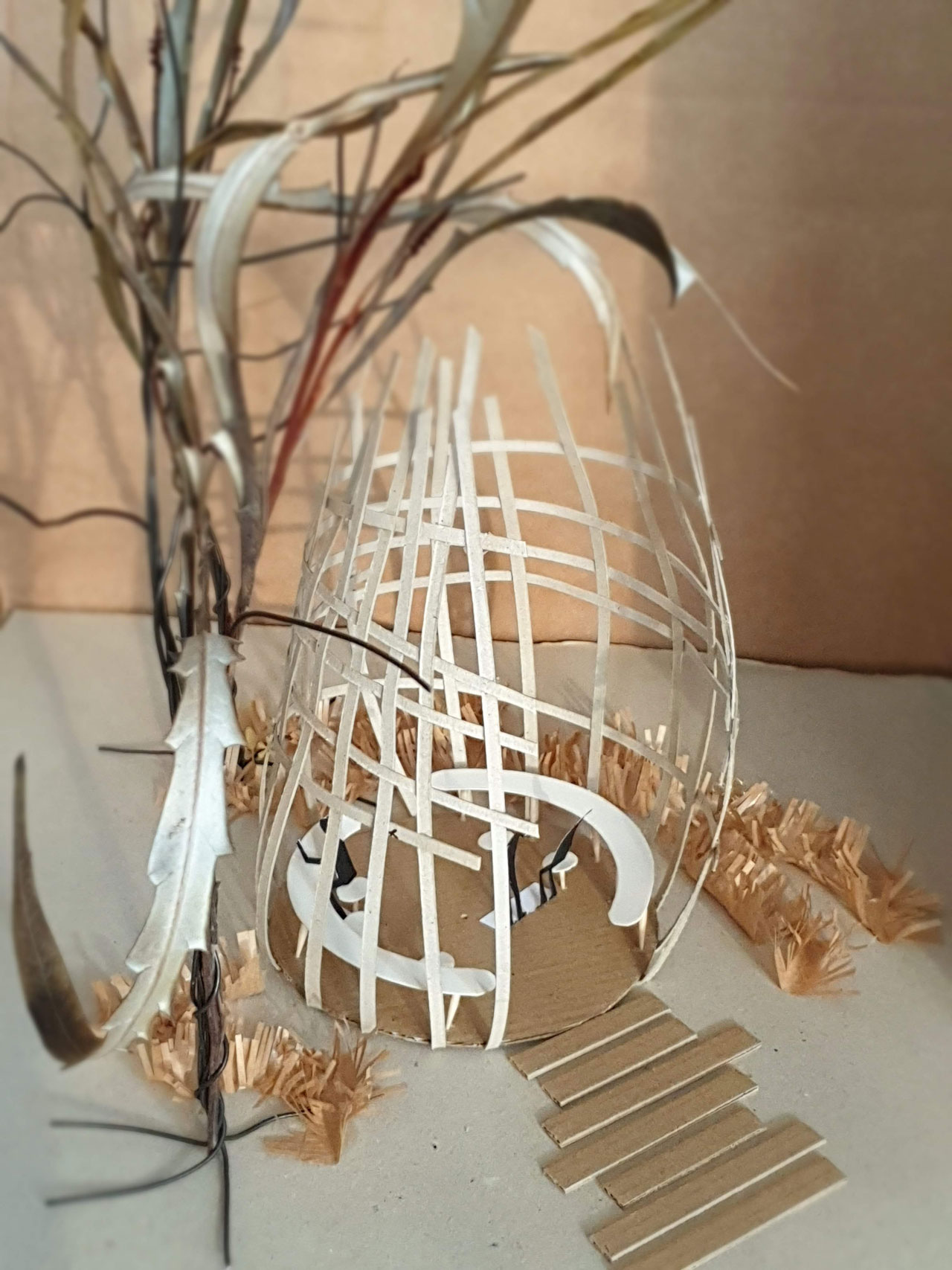
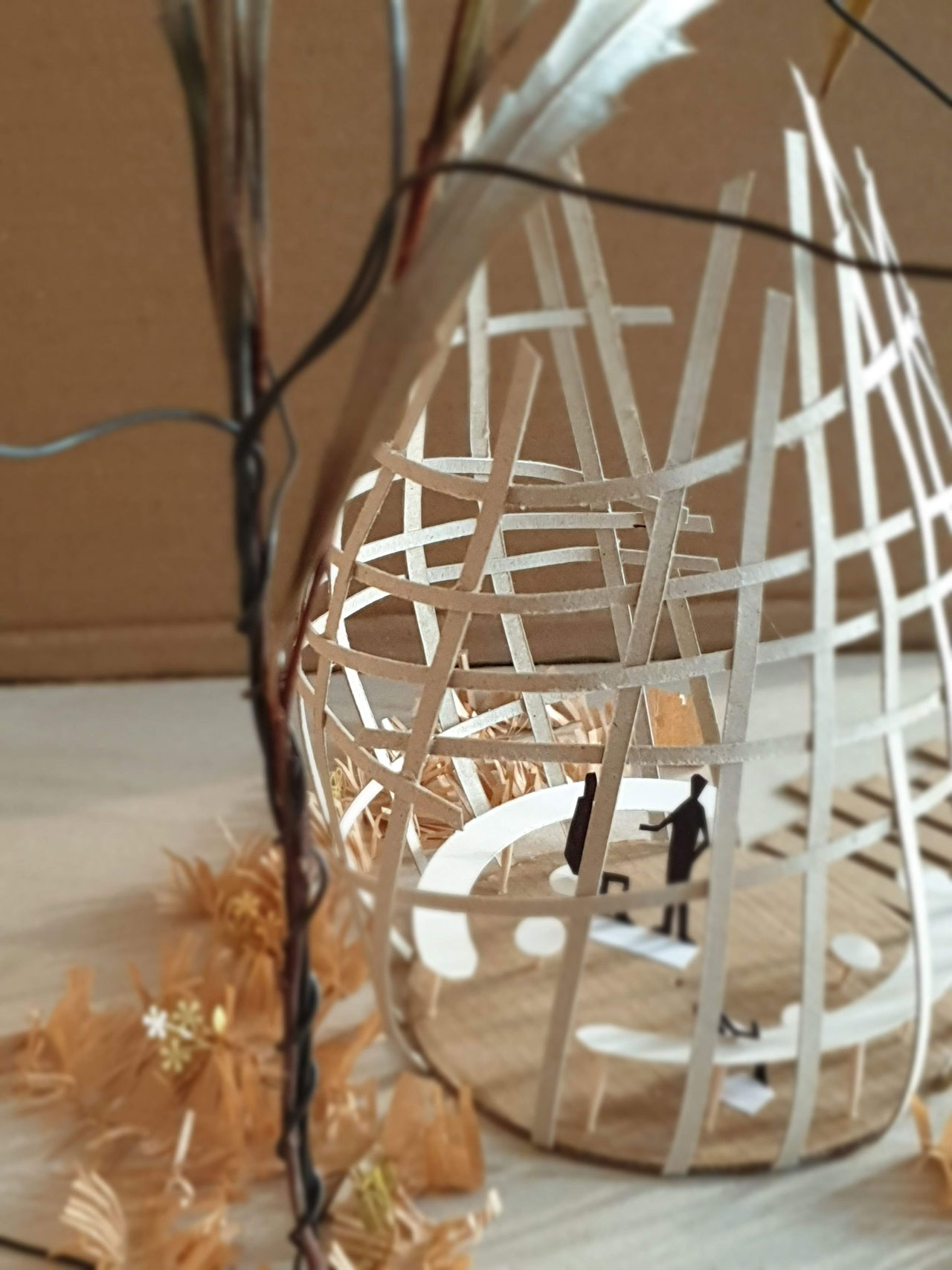
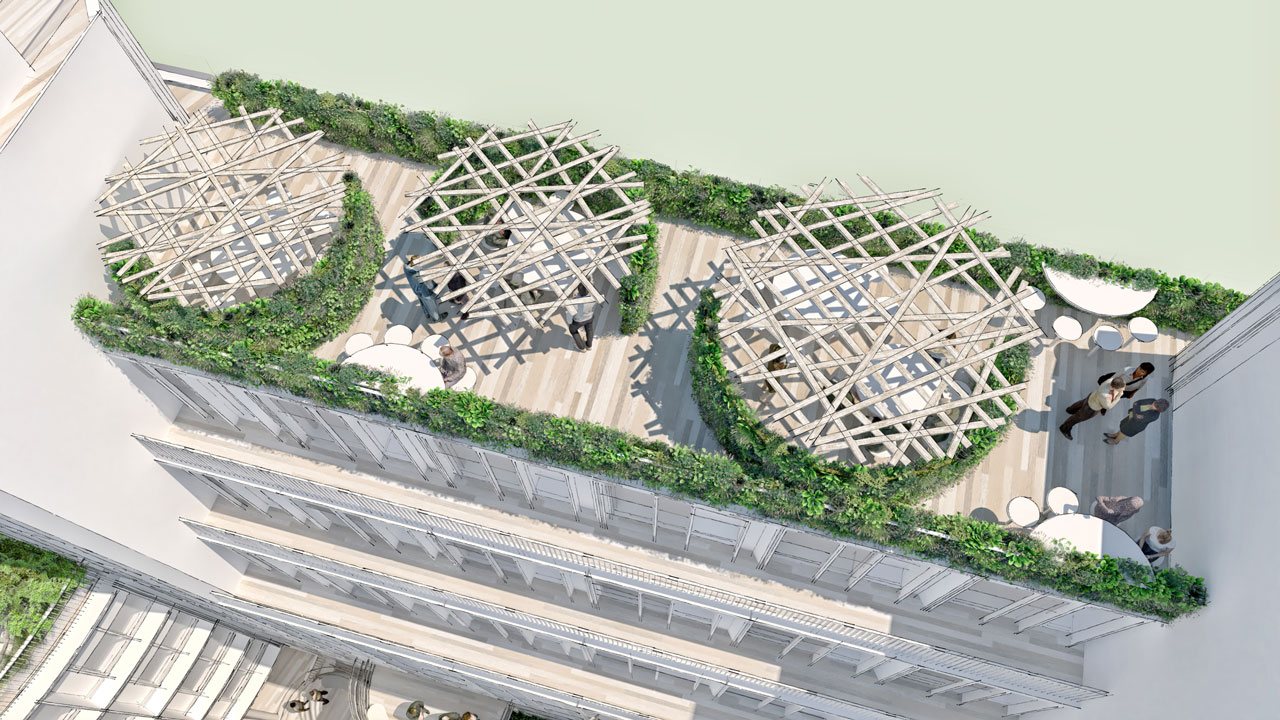
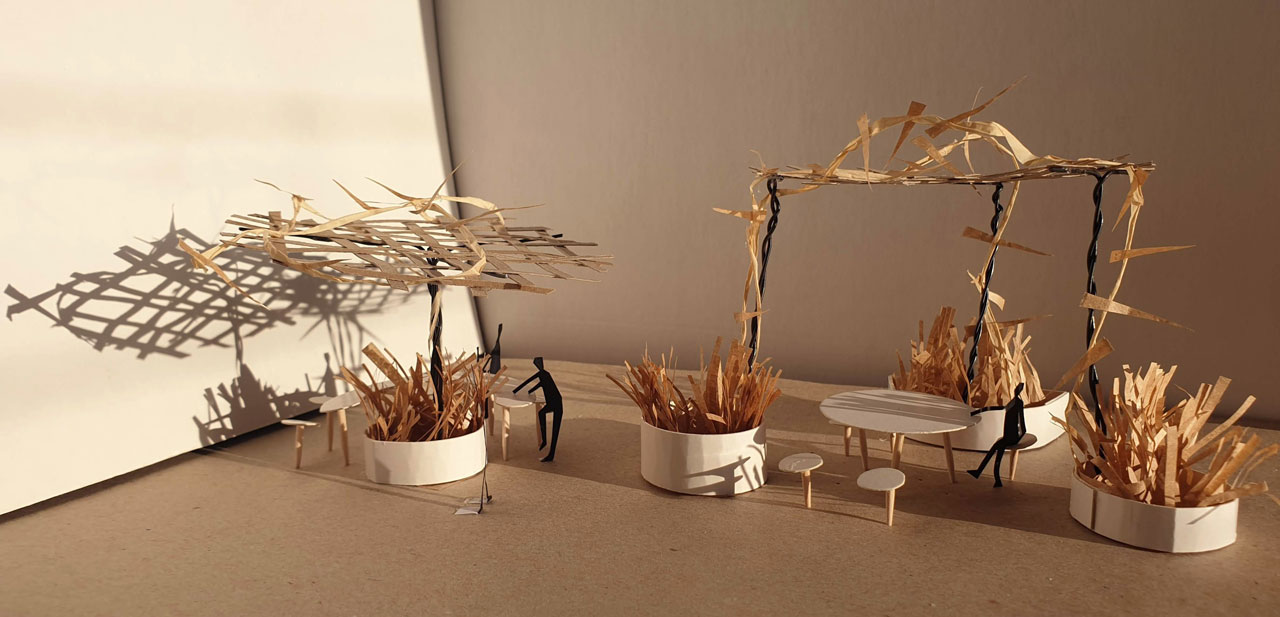
Wooden cocoons form lounges that can be appropriated as extensions of workspaces. These light, floating structures provide supports for vegetation. The atmosphere is intended to be fresh and serene, yet abundant and lush.

Nathalie Leroy, landscape architect / Arte Charpentier
710
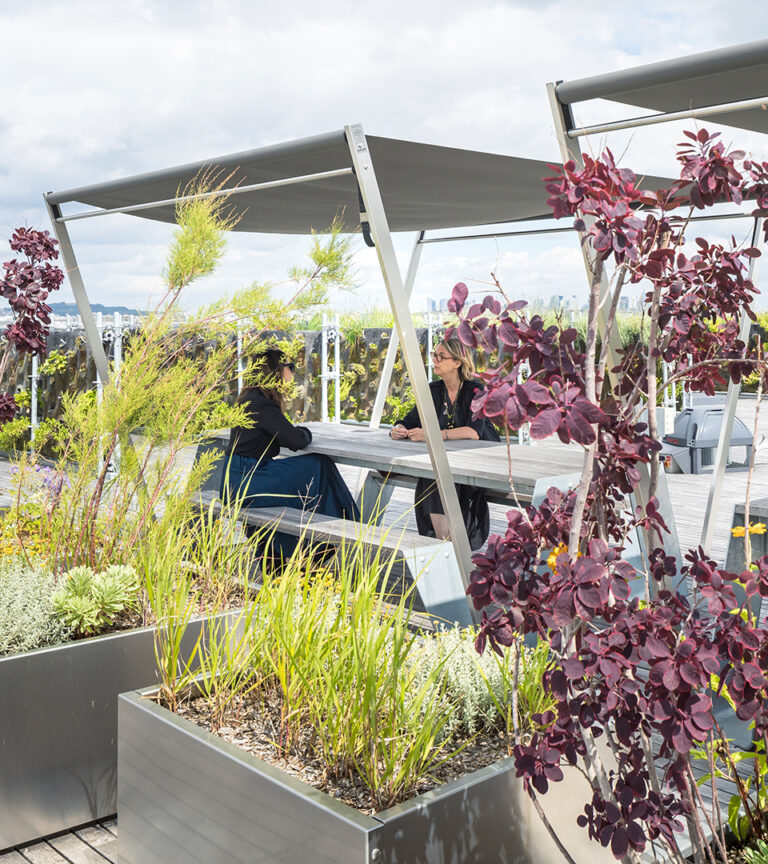
outdoor spaces, including 240 m² of terraces
Voir d’autres contenus :
  • Project

SHiFT – Siège de Nestlé

Issy-les-Moulineaux, France, 2020
  • Project

185 avenue Charles de Gaulle

Neuilly-sur-Seine, France, 2021
  • Project
Cortis, Paris, facade

Cortis – Siège de Valeo

Paris, France, 2021
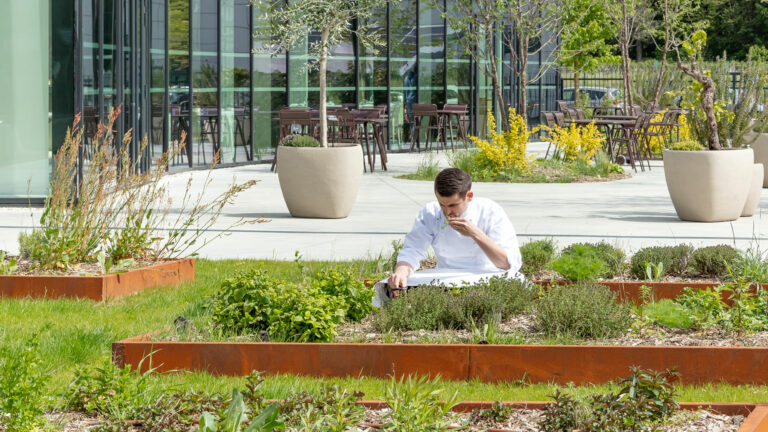
  • Project
Ecole Ducasse – Paris Campus, Meudon, parvis

Ecole Ducasse – Paris Campus, école de gastronomie

Meudon-la-Forêt, France, 2020
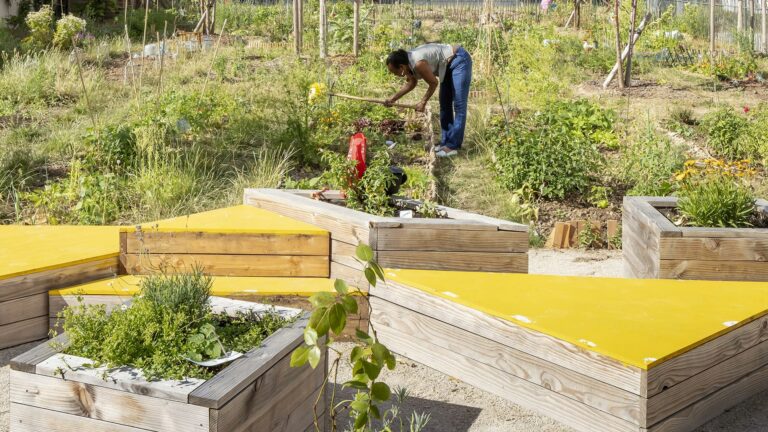
  • Project
Ecoquartier Victor Hugo, Bagneux

Ecoquartier Victor Hugo

Bagneux, France, 2019
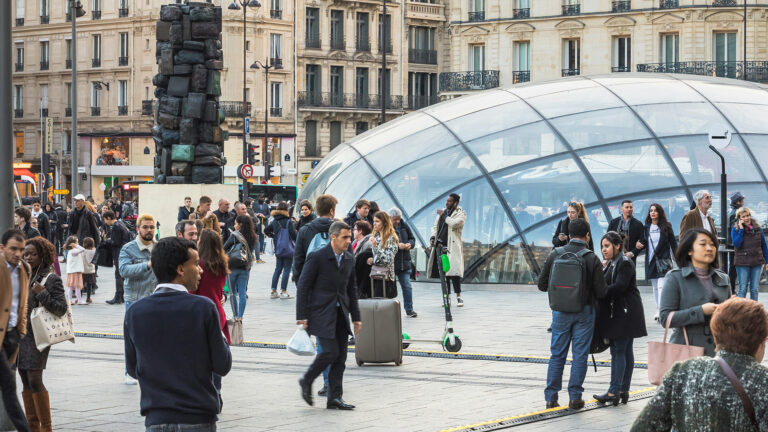
  • Project
meteor saint lazare, transport, gare saint lazare, metro

Meteor Saint Lazare

Paris, France, 2003
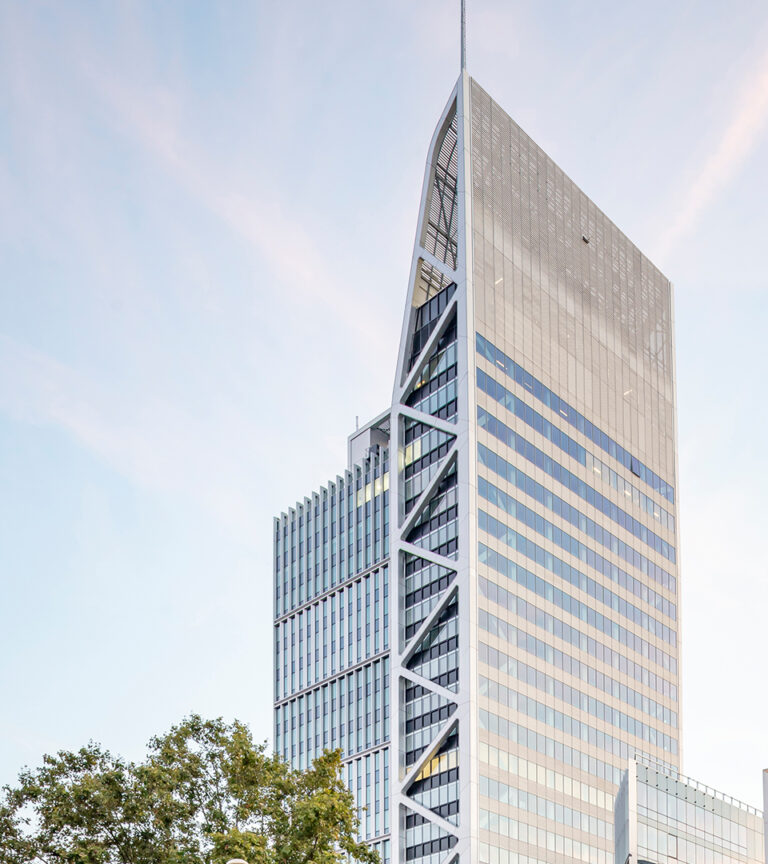
  • Project
Silex2, Lyon

Tour Silex² – Siège de Solvay

Lyon, France, 2021
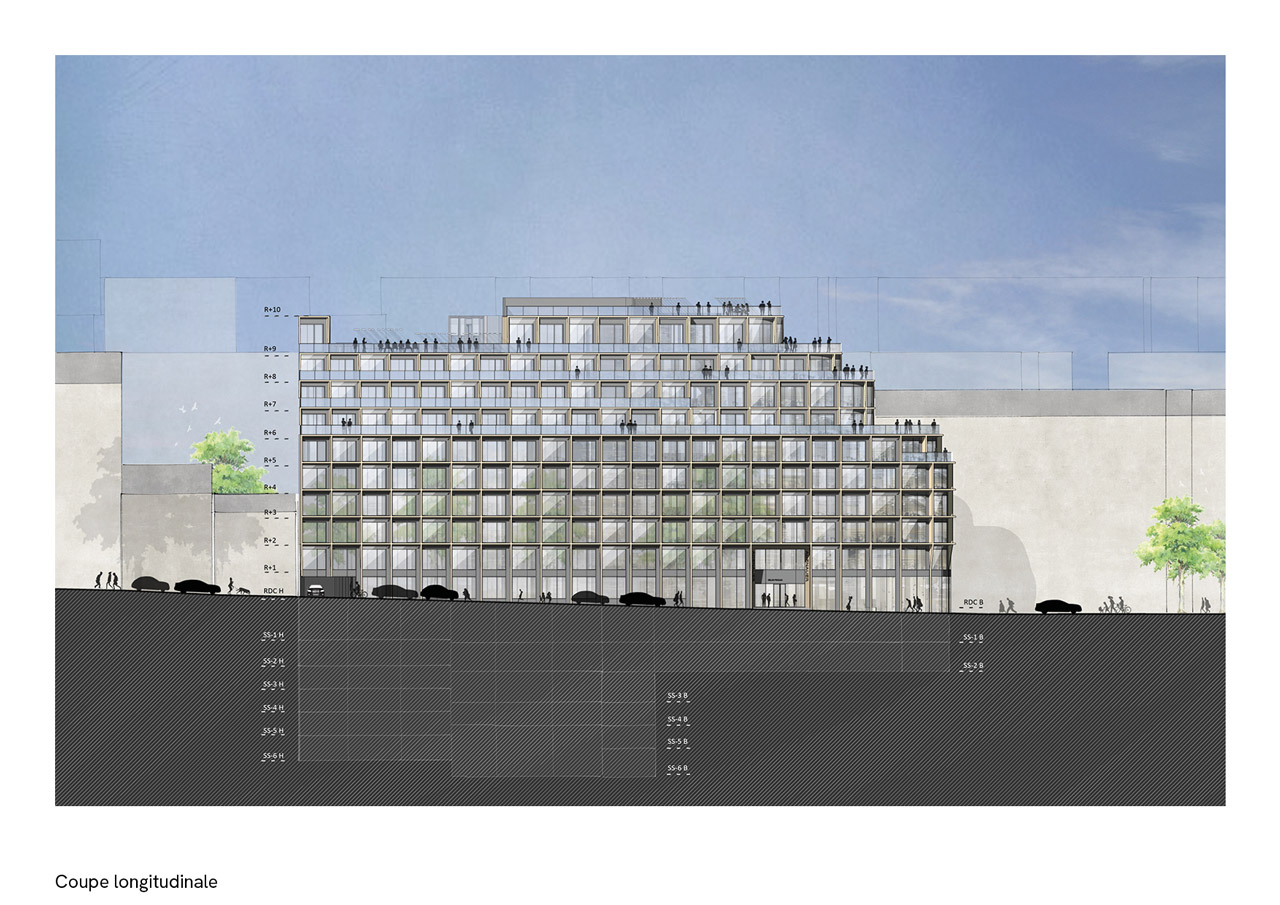
7 Adenauer Paris, France - 2020

Concept

Originally designed to accommodate offices, the project evolved into a campus with the arrival of Océanis. The decision was made to install a residence dedicated to co-living, the future Ecla Campus, in the first part of the building.

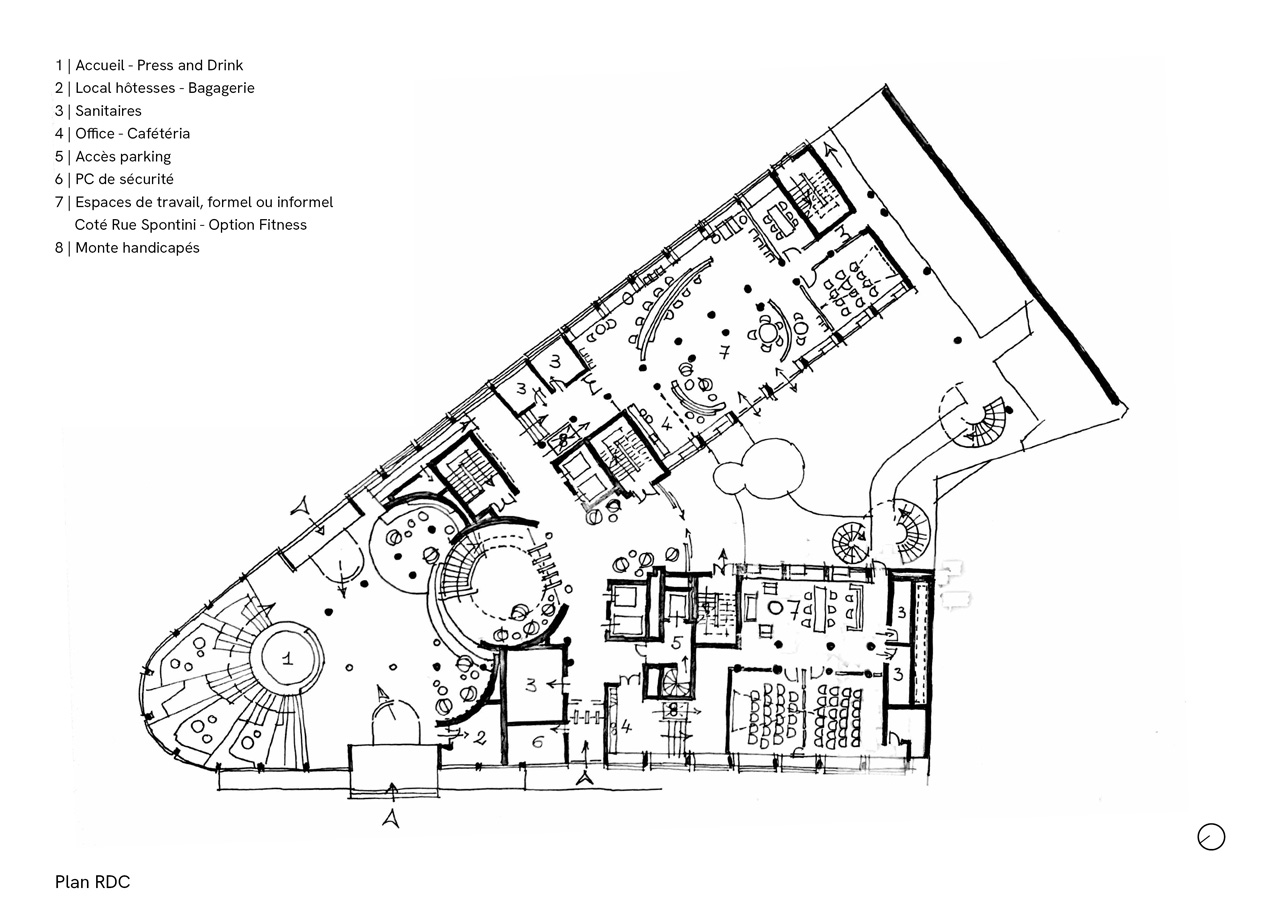
In the first phase, Arte Charpentier was able to adapt the office layout and reveal its potential to provide effective solutions to the specificities of a co-living residence. The units benefit from a much more generous ceiling height than usual, and some of them, indeed, are duplexes. New functions have been found for the “residual” blind spaces scattered throughout the floors. They become hallways, or are used to accommodate cineboxes or meeting rooms. The ground floor, consisting of a concrete structure of columns and beams, a completely open space of approximately 3,000 m², meets the requirements of the co-living and accommodates a range of services.

Through its architectural writing, the first building of the Ecla Campus, by its density, proves to be unifying and efficient.

Today, the success of this new type of residence, with an occupation rate of 96%, has determined the uses of the second and third installments of this real estate project, offices sacrificed to accommodate “le NUAGE”, 140 housing units ranging from studios to T2; and “ECLA 2”, which will house 639 housing units ranging from T1 to T3.

Eventually, there will be 1,740 dwellings and 70,000 m² devoted to co-living, a new model of living together in France, which appeals to the younger generation (employees or students) as well as foreigners who have come to France temporarily.

The “NUAGE” building, built in phase 2, stands out from the others by means of its bow shape and its clean white facade. Placed in the centre of the forecourt, it makes the connection between the different operations of the site.

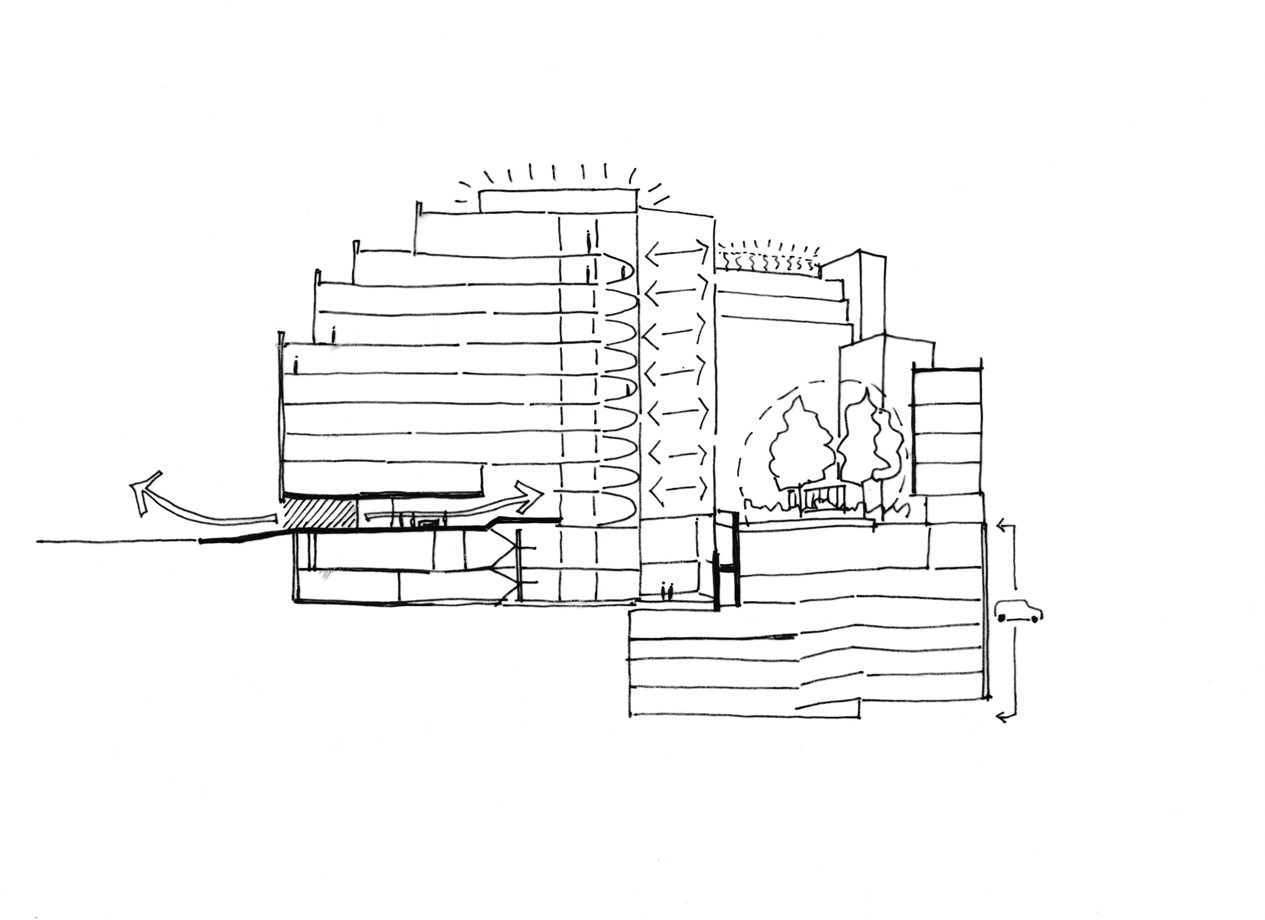
The three buildings of the third phase, ECLA 2, are located perpendicular to the central forecourt and separated by “landscape faults” open to the site environment. They rise to a maximum height of 9 floors, with the last 2 levels being attics and accessible roof terraces. One in two units has a balcony on the north and south facades, and continuous balconies serve the housing units on the east and west facades. As in the first phase building, the ground floor houses the student residence’s living spaces and services: a shared kitchen, a laundry room, a working space, a fitness centre, postboxes, all accessible by means of a common hall that opens onto a “landscape fault”, that can be accessed from the covered gallery at the entrances.

The composition of the new buildings’ facades resumes the play of movement between solids and voids, from one level to the next, echoing the treatment of the facades in the first and second phases.

The materials and colours of the facade, from white to warm grey, harmonise the different buildings and create a coherent dialogue between the different entities on the Campus.

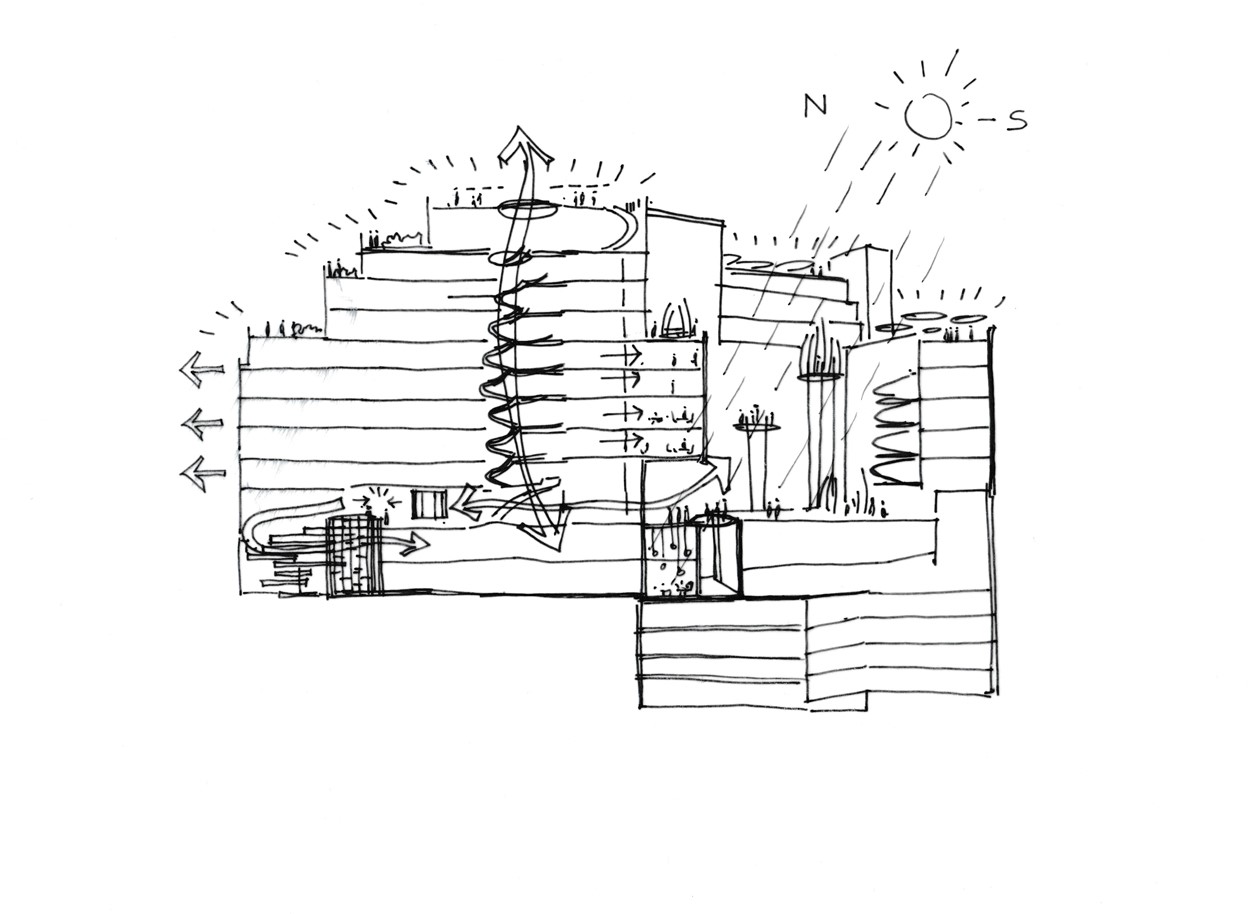
The relationship to natural light and outdoor spaces was a major issue throughout the design phase to offer students a quality living environment, open to its environment and landscaping arrangements. They can live and work in rich and varied spaces, indoors and outdoors, promoting conviviality and exchanges.

INTERIOR ARCHITECTURE
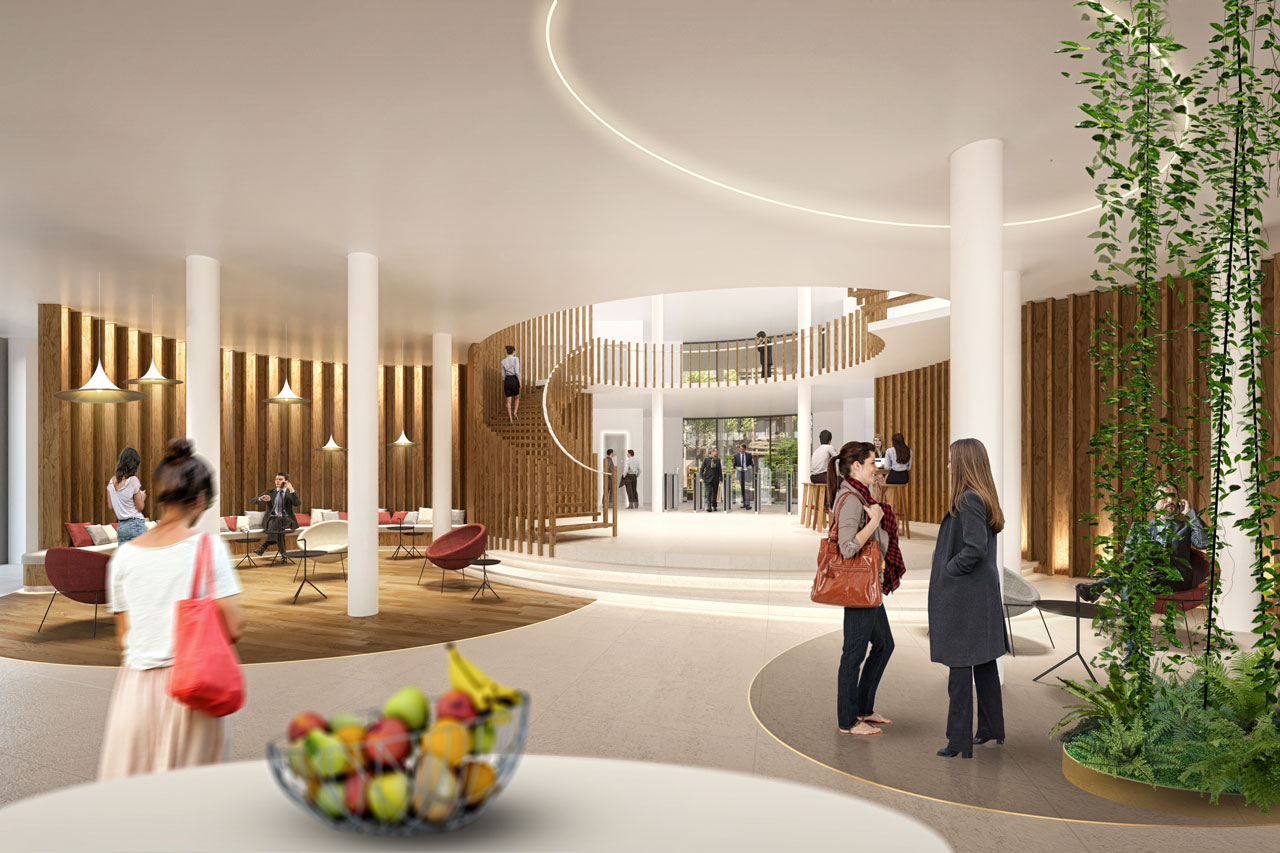
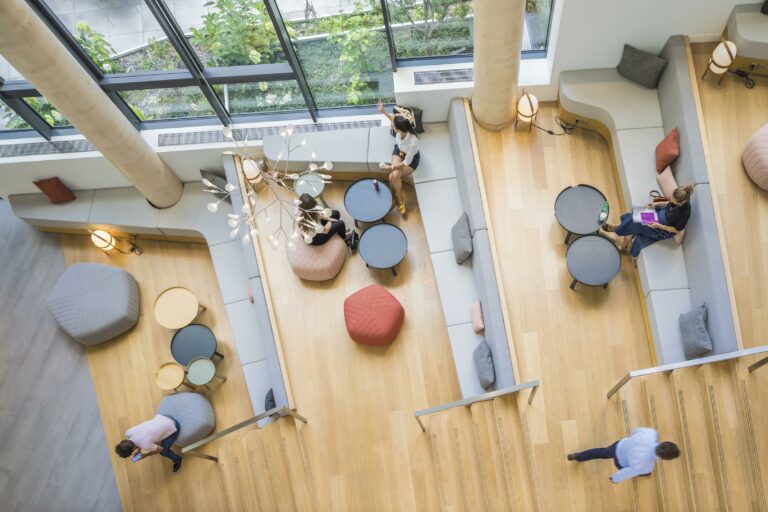
On the ground floor of the first building of the campus, the various “living spaces” of the Ecla Campus are spread over a surface of 3,000 m²: a generous reception area, relaxation and games areas, the catering facilities, the coworking space, the library, the music studio, the agora (meeting place for the residents), the shared kitchen, a large laundry room, etc.

For the layout, the team was inspired by the landscaping method of apprehending spaces, according to a flexible and fluid design. The walk-through of the ground floor was therefore imagined as a walk through an open space, without constraints, offering completely open areas and others that are more intimate. The clusters mark the functions of the place, without being barriers.

The furniture of the ECLA campus has been arranged to create landmarks in this vast multipurpose space. The choice of furniture, which dialogues from one space to the next, is varied to ensure a dynamic result, but presents a soft polychromy with the use of warm and natural materials (leather, fabric, wood…). The design of the shared spaces and the events programming are intended to encourage meetings between residents and unite them into a community.

LANDSCAPING
The landscaping project revolves around the central square and the “landscape faults” where the strong plant presence invites residents to take advantage of the outdoor spaces to meet, work, or relax.

The project’s planted areas, particularly in the parking lot and the wooded forecourt, are designed to collect and reinforce stormwater infiltration on the site. The existing soil, silty and highly draining Fontainebleau sand, has been preserved for planting and the addition of exogenous topsoil; this also helps to minimise the discharge of rainwater into the city’s networks.

In the same way, the plantations are inspired by the landscapes observed in the natural spaces of sandy and mesophilic soils homologous to those of the site.

The forest environments created correspond to different stages of colonisation of the environment by plants. They form an alternation of so-called “open” environments (meadows and heaths) and so-called “closed” environments (groves and woodlots) and make up an evolutionary and autonomous landscape, which by its adaptation to soil conditions requires little maintenance, whilst offering a wide variety of atmospheres and plant coverage.

Team

Contracting authority
– Contracting authority: Unibail-Rodamco-Westfield

Project management
– Architect: Arte Charpentier (Antonio FraustoSylvain Van RechemCarole AzziQuentin Groslier, Yasmine Idris, Edith RichardNathalie Leroy)

Specificities
– Project address: 7 place du chancelier Adenauer, 75016 Paris
– Surface area: 12,500 m²
Image credits:
©Arte Charpentier
©Landers – Elodie Ledru

Informations

Type of project Rehabilitation
Programme Tertiary
Client Unibail-Rodamco-Westfield
Missions Architecture

Location Paris, France
Competition 2020
Surface area 70 000 m²
Environmental approach RT2012

7 Adenauer

Receive the latest news from the agency